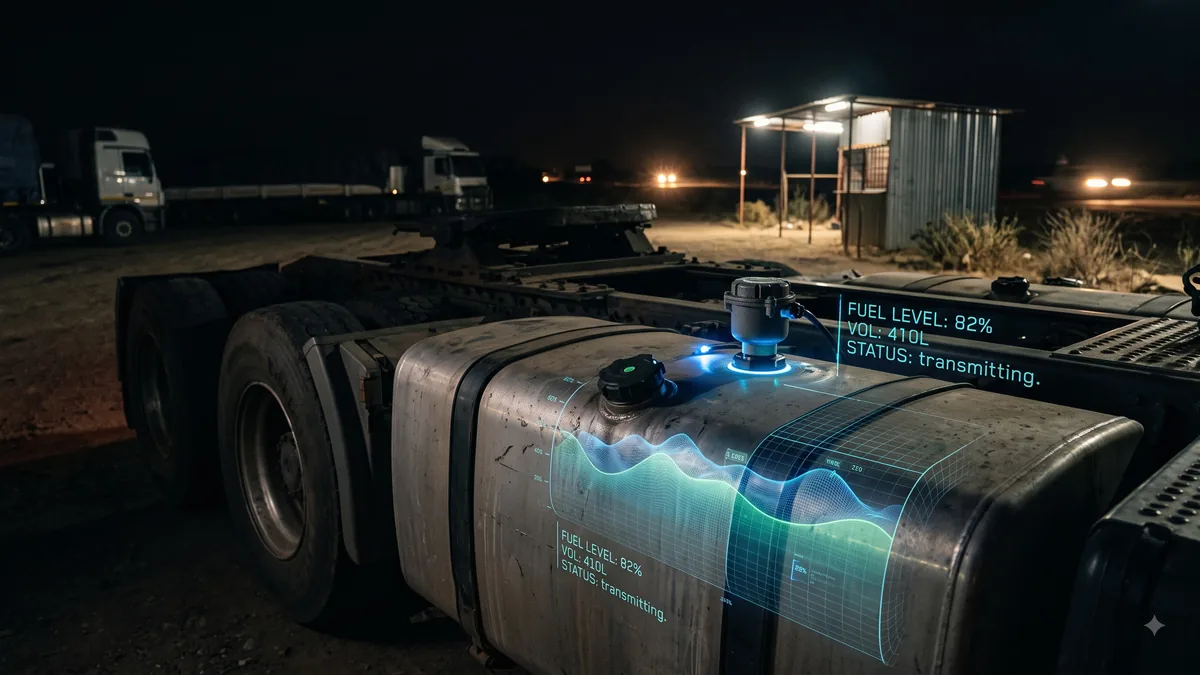
ATEX Zone 0 & Zone 1 Certified Fuel Sensors for Petroleum Tankers
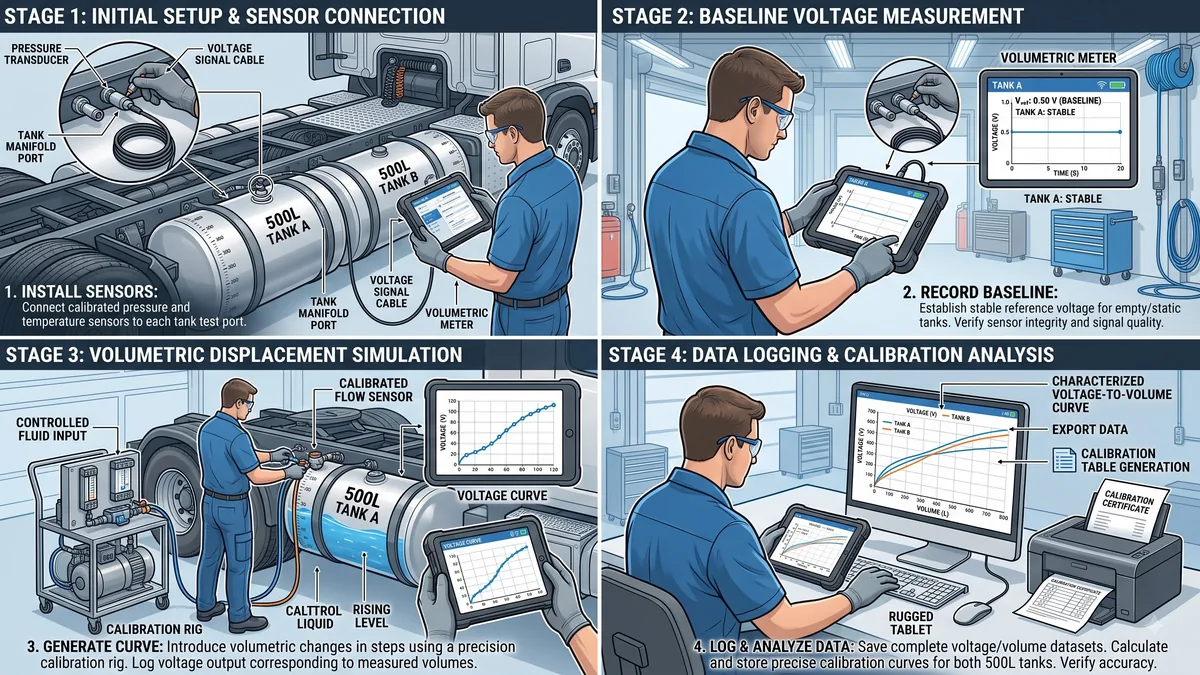
Table of Contents
- What is ATEX Zone 0 and Zone 1 Certification?
- 4 Engineering Pillars of WizIOT ATEX Fuel Telematics
- Proven Field Case Study: GCC Bulk Petroleum Logistics
- 7 Safety Audit Questions for Energy Logistics Directors
- Secure Your Petroleum Tanker Fleet with Certified ATEX Telematics
- Related Articles
- Explore WizIOT Solutions
E-Mobility & EV Fleets Telematics
WizIOT EV-BMS Telematics Controller + CAN-bus J1939 / CANopen Sniffer
Transporting bulk petroleum, jet fuel, diesel, and liquid chemicals across the Middle East, GCC, and North Africa involves navigating extreme environmental heat and volatile explosive atmospheres. Installing standard, non-certified electronic tracking hardware inside or around fuel compartments creates catastrophic electrical spark hazards.
To protect human life, fleet assets, and environmental safety, oil companies and transport contractors must enforce strict adherence to ATEX (Appareils destinés à être utilisés en Atmosphères Explosibles) Directive 2014/34/EU and IECEx standards.
---
What is ATEX Zone 0 and Zone 1 Certification?
ATEX regulations categorize explosive gas and vapor environments into hazardous zones based on the frequency and duration of explosive atmospheres.
+-----------------------------------------------------------------------------------+
|                        ATEX HAZARDOUS ZONE CLASSIFICATIONS                        |
+-----------------------------------------------------------------------------------+
|  ZONE 0: Continuous explosive vapor inside fuel tank (Requires ATEX Zone 0 Probe) |
|  ZONE 1: Occasional explosive vapor near discharge valves (Requires ATEX Zone 1)  |
|  ZONE 2: Unlikely explosive vapor around outer truck cabin (Standard IP67 Enclosure)|
+-----------------------------------------------------------------------------------+
Hazardous Area Definitions: * **ATEX Zone 0:** An atmosphere where explosive gas/fuel vapor mixtures are present continuously or for long periods (e.g., inside the fuel tank ullage space). * **ATEX Zone 1:** An atmosphere where explosive gas mixtures are likely to occur in normal operation (e.g., around discharge valves, vapor recovery lines, and loading manifolds). * **Intrinsic Safety (Ex ia / Ex ib):** An engineering design protection technique where electrical energy within sensor circuitry is strictly limited below the threshold required to ignite explosive fuel vapors, even under short-circuit fault conditions.
---
4 Engineering Pillars of WizIOT ATEX Fuel Telematics
1. Intrinsically Safe Galvanic Isolation Barriers WizIOT capacitive fuel probes installed inside bulk petroleum compartments connect to main telematics gateways through certified ATEX galvanic isolation barriers. These barriers ensure high-voltage transients from vehicle alternators or battery short-circuits can never reach sensors inside the tank.
2. High-Precision ±0.2% Volumetric Fuel Level Monitoring ATEX certified probes deliver continuous ±0.2% volumetric fuel measurement, enabling fleet operators to detect unauthorized fuel discharge during transit, off-hour siphoning at rest stops, or un-metered tank topping at loading terminals.
3. Anti-Tamper Pneumatic Valve & Manifold Sensors WizIOT integrates ATEX Zone 1 wireless pneumatic valve sensors on discharge manifolds. Any unauthorized opening of discharge valves outside designated geofenced terminal drop-off points triggers immediate high-priority SMS and email alarms to dispatch security.
4. High-Temperature Desert Ruggedization Engineered specifically for extreme GCC summer temperatures exceeding +60°C (+140°F), WizIOT ATEX hardware features heat-stabilized die-cast enclosures and thermal protection circuits to prevent heat-induced sensor drift.
---
Proven Field Case Study: GCC Bulk Petroleum Logistics
- **Fleet Profile:** 140 multi-compartment fuel tankers transporting refined diesel and gasoline across the UAE and Saudi Arabia.
- **Operational Risk:** Needed to eliminate unauthorized fuel siphoning at un-monitored desert stops while satisfying strict national oil company (NOC) safety audit requirements.
- **WizIOT Deployment:** Fitted every tanker compartment with WizIOT ATEX Zone 0 capacitive fuel probes, Zone 1 discharge valve sensors, and ATEX galvanic safety barriers.
- **Quantitative Outcome:** Zero safety violations recorded during NOC audits, caught 100% of unauthorized discharge valve openings, and eliminated an estimated $480,000 USD in annual fuel siphoning losses.
---
7 Safety Audit Questions for Energy Logistics Directors
1. *Are your tank-mounted fuel probes certified Ex ia IIC T4 Ga for continuous immersion in Zone 0 explosive atmospheres?* 2. *Does your installation include certified ATEX galvanic isolation barriers between the vehicle battery and in-tank sensors?* 3. *Can your telematics system track fuel levels across multi-compartment tankers independently in real time?* 4. *What happens to sensor accuracy when fuel temperatures fluctuate from night (+20°C) to peak summer day (+55°C)?* 5. *Are discharge manifold sensors certified ATEX Zone 1 for placement near vapor recovery valves?* 6. *Does your vendor supply official EU-type examination certificates and IECEx test reports for insurance underwriting?* 7. *Do your field installation teams hold certified CompEx / ATEX hazardous area installation credentials?*
---
Secure Your Petroleum Tanker Fleet with Certified ATEX Telematics
Eliminate explosion risks, prevent fuel theft, and pass every oil company audit with WizIOT ATEX Zone 0/1 certified telematics hardware.
Request Your ATEX Technical Compliance Dossier | Explore Energy Telematics
---
Frequently Asked Questions (FAQs)
Q1: Why can’t I use standard commercial fuel sensors on petroleum tankers? Standard fuel sensors are not intrinsically safe. In the event of an electrical short or static discharge, non-ATEX sensors can generate micro-sparks capable of igniting fuel vapor inside the tank, causing catastrophic explosions.
Q2: What is the difference between ATEX Zone 0 and ATEX Zone 1? Zone 0 applies to areas where explosive vapors are present continuously (such as inside the fuel tank). Zone 1 applies to areas where explosive vapors occur occasionally during normal fueling or discharge operations.
Q3: How does temperature compensation work on WizIOT ATEX fuel probes? Fuel volume expands and contracts with ambient temperature changes. WizIOT ATEX probes feature internal RTD temperature sensors that automatically normalize fuel volume readings to +15°C standard reference temperatures.
Q4: Does ATEX certification satisfy GCC national oil company (NOC) requirements? Yes. WizIOT ATEX Zone 0/1 hardware meets and exceeds safety requirements mandated by ADNOC, Aramco, KPC, and international energy transport auditors.
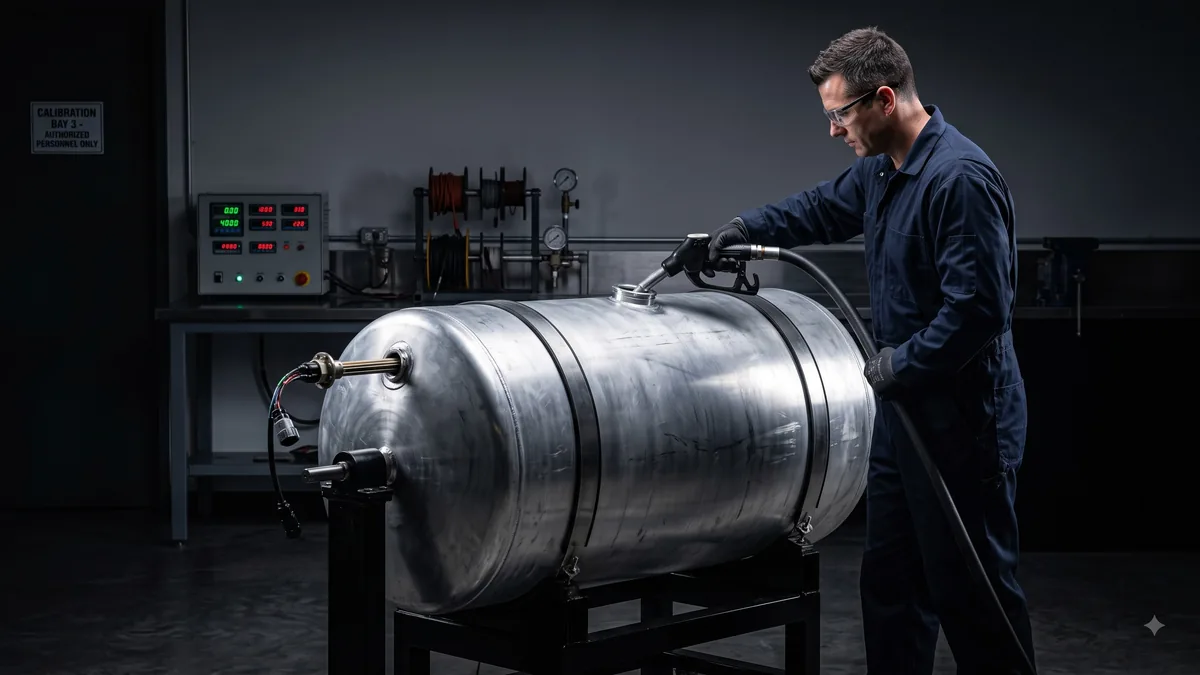
Q5: Can WizIOT ATEX fuel sensors be retrofitted on existing fuel tankers? Yes. WizIOT certified field engineering teams perform on-site hazardous area retrofits, flange mounting, and 10-point volumetric calibration directly at your fleet depot.
---
Related Articles
- Spoilage Prevention Strategies for Perishable Exports from South African Farms
- Achieving Full EU GSR 2024 Intelligent Speed Assistance Compliance for Polish Fleets
- ATEX Zone 0 Certified Telemetry for Petroleum Tankers Operating in Saudi Refineries
- Capacitance Data That Supports Insurance Claims for Stolen Diesel in Africa
---
Explore WizIOT Solutions
Target Telematics Hubs & Enterprise Solutions
Protect Your Commercial Fleet Today
Request a live hardware demonstration, ±0.2% capacitive probe calibration certificates, and real-time anti-theft gateway trials.