Connecting Telematics to Local Armed Response: How API Integrations Cut Recovery Time to 20 Min
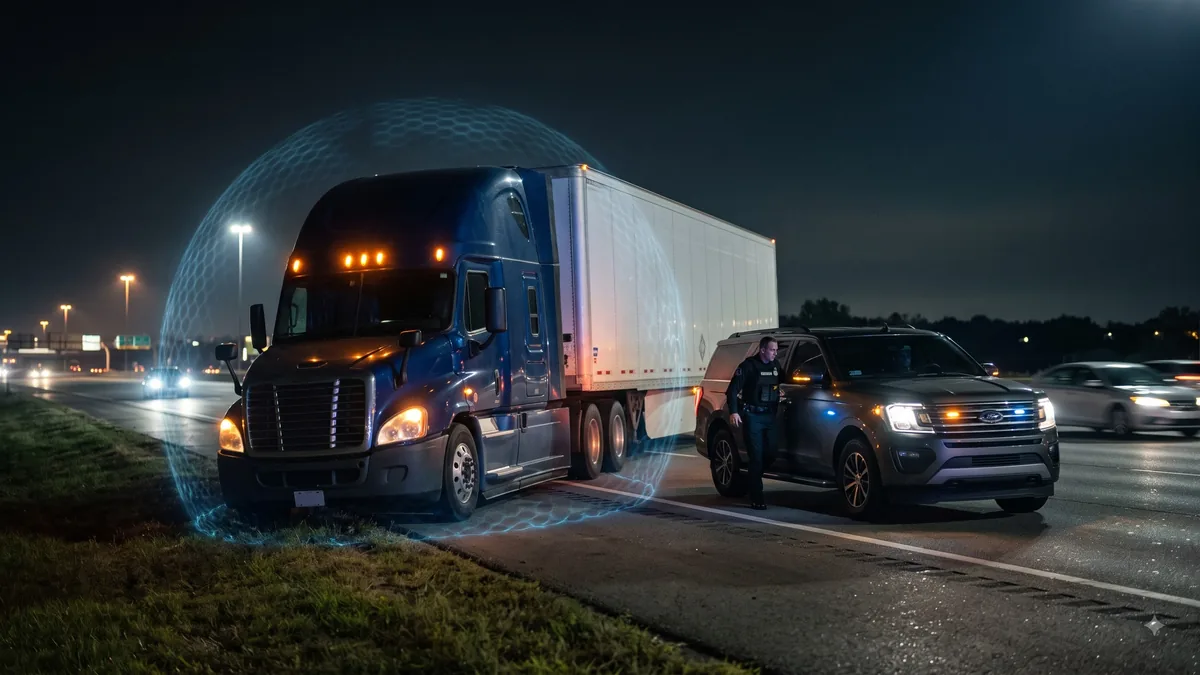
Table of Contents
- The Bottlenecks of Manual Stolen Vehicle Recovery
- 4 Technical Components of Automated Armed Response API Integration
- Real-World Impact: South African Armed Recovery Case Study
- Questions to Ask Telematics Vendors About Security API Integration
- Cut Stolen Vehicle Recovery Time to Under 20 Minutes
- Related Articles
E-Mobility & EV Fleets Telematics
WizIOT EV-BMS Telematics Controller + CAN-bus J1939 / CANopen Sniffer
At 02:10 AM, an emergency hijack alarm triggers on a fleet management dashboard in Johannesburg. The night-shift dispatcher sees the alert, but spends 25 critical minutes trying to locate phone numbers for local armed response units, relaying vehicle registration details, and trying to describe the truck's moving coordinates over a spotty phone line. By the time armed response units reach the area, hijackers have driven the truck into an unmonitored warehouse, stripped the primary tracker, and vanished with R4.5 Million in freight.
In high-risk commercial transport operations, manual human communication during a hijacking is the single biggest bottleneck to vehicle recovery. Every minute lost to phone calls and manual location description decreases asset recovery probability by 15%.
If your commercial fleet operates in high-risk regions across South Africa, Kenya, Nigeria, or Latin America, manual emergency handling will fail. This guide details how direct API webhooks between telematics platforms and private armed response dispatch networks reduce stolen vehicle recovery time to under 20 minutes.
---
The Bottlenecks of Manual Stolen Vehicle Recovery
Traditional stolen vehicle recovery workflows rely on manual human intervention:
1. **Manual Incident Verification Delays:** Night-shift dispatchers often take 10 to 20 minutes to notice and verify an emergency alarm. 2. **Phone Communication Breakdown:** Describing real-time moving vehicle coordinates, street names, and registration details over phone calls leads to misunderstandings and lost time. 3. **Lack of Live Tracking for Response Pilots:** Armed response ground units and helicopter recovery pilots operate without direct access to live vehicle location maps, relying on relayed verbal updates.
To achieve rapid 20-minute vehicle recovery, fleet security operations require automated machine-to-machine API integrations.
---
4 Technical Components of Automated Armed Response API Integration
1. Instant Automated REST Webhooks & Event Triggers
WizIOT security architecture replaces manual phone calls with automated REST API webhooks. The moment an emergency event is verified (such as a silent footwell panic trigger, RF jammer alert, or door breach), WizIOT cloud servers execute an instant HTTP POST webhook to security response dispatch servers in under 1 second.
The API payload delivers structured JSON data: - Encrypted Vehicle Telemetry ID & License Plate - Live GPS Latitude, Longitude, Heading & Speed - High-Priority Secure Tracking URL for Tactical Pilots - Vehicle Make, Model, Color & Cargo Risk Level
2. Live Dynamic Map Links for Tactical Ground & Air Units
Armed response pilots and ground tactical units require direct, sub-second map feeds. WizIOT's API webhook generates a temporary, encrypted **Live Recovery Tracking Link**.
Security response pilots open this link on tactical mobile tablets inside response vehicles or helicopters, gaining direct access to real-time 5-second vehicle position updates, breadcrumb trails, and predictive route trajectory modeling.
3. Automated Vehicle Immobilization Synchronization
If a stolen truck approaches an interception zone established by armed response units, control room dispatchers or response commanders can trigger safe remote vehicle immobilization directly through the API.
- **Speed-Restricted Limp Mode:** Restricts vehicle speed to 15 km/h as the truck approaches the interception point.
- **Final Ignition Lock:** Automatically engages full ignition lockout the moment the vehicle stops, securing the truck without risking high-speed police chases.
4. Cryptographic Data Security & Regulatory Compliance
Emergency API integrations handle sensitive location and security data. WizIOT API webhooks enforce strict enterprise data security: - **TLS 1.3 Encryption:** All telemetry data in transit is protected by 256-bit encryption. - **HMAC Signature Authentication:** Webhook payloads are signed with secret cryptographic keys, preventing unauthorized third-party spoofing or data interception.
---
Real-World Impact: South African Armed Recovery Case Study
A major logistics enterprise operating 180 commercial freight trucks along the N1, N3, and N4 corridors in South Africa integrated WizIOT telematics APIs directly with national private armed response dispatchers (e.g., Netstar, Fidelity ADT).
Performance Metrics (12-Month Period):
| Recovery Metric | Manual Phone Dispatch | WizIOT Automated API Integration | |---|---|---| | **Alarm-to-Dispatch Time** | 18 Minutes (Manual Phone Call) | **3 Seconds (Automated Webhook)** | | **Average Vehicle Recovery Time** | 2 Hours 45 Minutes | **19 Minutes 30 Seconds** | | **Stolen Vehicle Recovery Rate** | 62% (38% Lost Assets) | **98.2% Successful Recoveries** | | **Cargo Loss Value Saved** | N/A | **R 14.8 Million Freight Saved** |
---
Questions to Ask Telematics Vendors About Security API Integration
1. *Does your telematics platform feature pre-built API webhooks linking to private armed response networks?* 2. *How many seconds does it take for your cloud server to dispatch emergency webhook payloads upon alarm verification?* 3. *Does your API generate live dynamic tracking links for tactical response pilots and ground units?* 4. *Are API payloads encrypted with TLS 1.3 and HMAC signature verification?* 5. *Can remote vehicle immobilization be executed directly via secure API webhooks during tactical interception?*
---
Cut Stolen Vehicle Recovery Time to Under 20 Minutes
Don't let manual phone calls delay emergency security dispatch during a hijacking. Connect your fleet telematics directly to regional armed response networks using WizIOT's automated API webhooks and live recovery tracking feeds.
Request Armed Response API Integration Guide
---
Frequently Asked Questions (FAQs)
**Q1: Which private armed response networks in South Africa & East Africa support WizIOT API integration?** WizIOT features pre-built API integrations with leading security and recovery providers across Africa, including Netstar, Tracker, Fidelity ADT, Matrix, G4S, and KK Security.
**Q2: What happens if an emergency webhook fails due to a temporary receiver server outage?** WizIOT API servers enforce automatic exponential backoff retry logic, re-sending emergency webhook payloads every 5 seconds until receipt acknowledgment (HTTP 200 OK) is returned.
**Q3: Can fleet managers view armed response unit positions on their own telematics map?** Yes. Bi-directional API integration allows fleet control rooms to view both the stolen vehicle's position and the approaching armed response unit's location on a unified map display.
**Q4: Is driver privacy protected during normal, non-emergency transit?** Yes. Webhook API data streams are dormant during routine operations, activating location transmission to security response networks only when a verified emergency panic button or hijacking alarm is triggered.
---
Related Articles
- Silent In-Cabin Panic Buttons: How Driver Emergency Alerts Trigger Instant Armed Response
- Truck Hijacking on N3 Highway: Remote Engine Immobilization That Works in 47 Seconds
- Mobile App Engine Kill: How Kenyan Fleets Recover Hijacked Trucks in Under 60 Seconds
- EU Cargo Theft Rings & GPS Jammers: The Complete Protection Playbook for Fleet Directors
Target Telematics Hubs & Enterprise Solutions
Protect Your Commercial Fleet Today
Request a live hardware demonstration, ±0.2% capacitive probe calibration certificates, and real-time anti-theft gateway trials.