BLE Wireless Temperature Sensors vs. Wired Probes: Why Reefers Are Going 100% Wireless
Table of Contents
- Technical Comparison: Wired Temperature Probes vs. BLE Wireless Sensors
- 4 Operational Advantages of BLE Wireless Cold Chain Sensors
- Feature Comparison Matrix: Wired vs. BLE Wireless Sensors
- Questions to Ask Cold Chain Telematics Vendors
- Upgrade to 100% Wireless Cold Chain Monitoring Today
- Related Articles
- Explore WizIOT Solutions
E-Mobility & EV Fleets Telematics
WizIOT EV-BMS Telematics Controller + CAN-bus J1939 / CANopen Sniffer
A cold chain operations director evaluating telematics hardware for a fleet of 50 refrigerated trailers reviews maintenance logs: over the past 12 months, 38% of temperature monitoring service calls were caused by broken sensor cables, corroded wiring connectors, and wires torn apart by forklift loading inside cargo bays. Each cable failure resulted in lost temperature feeds, false alarms, and expensive technician downtime.
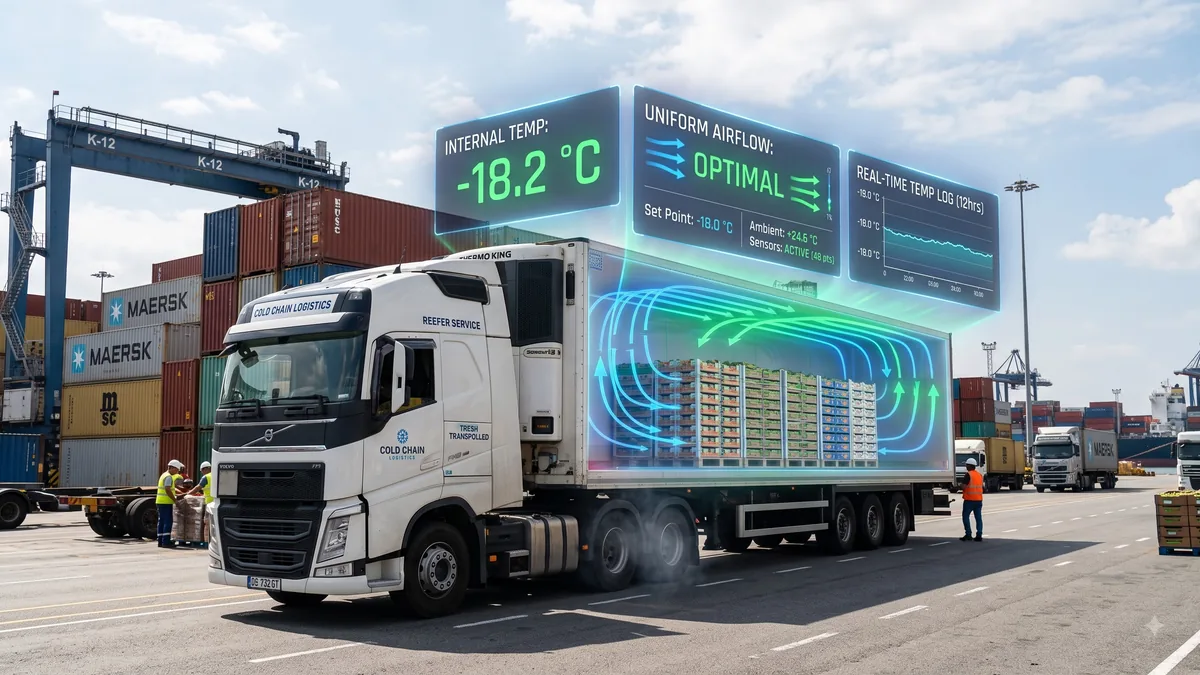
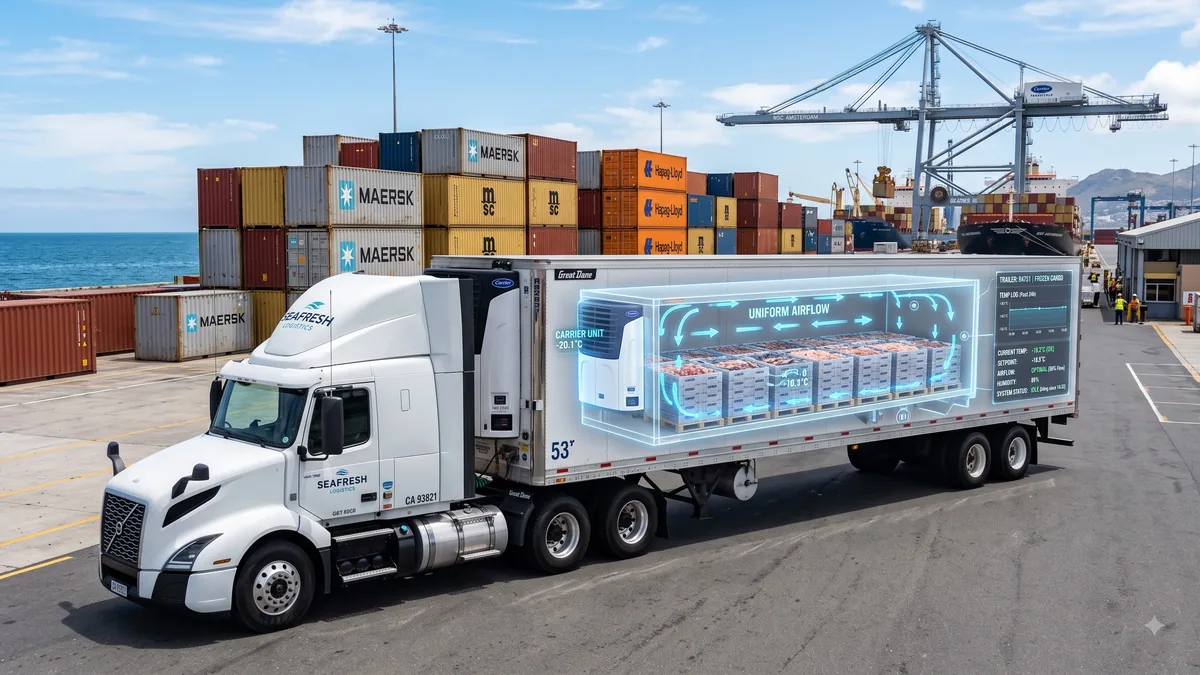
In modern refrigerated transport (cold chain logistics), the transition from traditional wired temperature probes to wireless Bluetooth Low Energy (BLE 5.0) sensors is an industry-wide technology shift.
If your fleet is still installing wired temperature sensors inside reefer trailers, you are spending unnecessary labor hours on installation and maintenance. This guide compares BLE wireless temperature sensors vs. wired probes across installation speed, durability, accuracy, and operational ROI.
---
Technical Comparison: Wired Temperature Probes vs. BLE Wireless Sensors
1. Traditional Wired Temperature Probes Traditional cold chain setups use resistive temperature detectors (RTD Pt100 or thermistors) connected to a central telematics gateway via long copper wires routed through trailer walls.
- **Installation Complexity:** Requires drilling holes through reefer thermal insulation walls, sealing grommets, and running 12-meter cable conduits along trailer ceiling rails.
- **Physical Vulnerabilities:** Cables freeze, embrittle, and fracture under sub-zero temperatures. Forklifts, cargo pallets, and steam washdowns frequently snag and snap exposed wires.
- **Thermal Leak Hazards:** Drilling cable access holes through trailer insulation degrades thermal integrity over time, creating localized moisture ingress and insulation rot.
2. Modern BLE 5.0 Wireless Temperature Sensors BLE wireless sensors incorporate a precision digital temperature sensor, a Bluetooth Low Energy (BLE 5.0) radio transmitter, and an industrial lithium battery inside a sealed IP68 waterproof housing.
- **Zero-Cable Installation:** Mounts directly on internal trailer walls using industrial adhesive backing or two stainless steel screws in under 5 minutes.
- **Autonomous Battery Operation:** Powered by internal industrial Lithium-Thionyl Chloride (LiSOCl2) batteries operating continuously for 3 to 5 years.
- **IP68 / IP69K Waterproofing:** Fully encapsulated in industrial potting resin, withstanding high-pressure steam cleaning and chemical sanitization inside food trailers.
---
4 Operational Advantages of BLE Wireless Cold Chain Sensors
1. Rapid 5-Minute Installation (Zero Trailer Wall Drilling)
Wired sensor installation takes 2 to 3 hours per trailer, requiring specialized mechanics to drill insulation walls and route cable conduits. BLE wireless sensors install in under 5 minutes per trailer, eliminating installation downtime and preserving factory trailer insulation warranties.
2. Multi-Zone Temperature Tracking Without Wiring Complexity
Modern refrigerated logistics frequently requires multi-compartment trailers carrying distinct frozen (-20°C), chilled (+4°C), and ambient (+15°C) zones separated by movable bulkheads.
Installing wired sensors across movable bulkheads is near impossible. BLE wireless sensors can be mounted anywhere—on movable bulkheads, inside individual cargo pallets, or on rear door frames—transmitting data wirelessly to the primary telematics gateway in the tractor unit.
3. Extended 3-to-5 Year Battery Life in Extreme Cold
A common concern regarding wireless sensors is battery life in sub-zero environments. WizIOT BLE 5.0 sensors utilize specialized industrial **LiSOCl2 battery chemistries**:
- **Extreme Cold Stability:** Delivers stable voltage and full signal transmission at -30°C freezer temperatures.
- **Ultra-Low Power Protocol:** BLE 5.0 sleep-wake cycles ensure up to 5 years of continuous temperature logging (sampling every 60 seconds).
4. Seamless Pallet-Level & Container Cold Chain Tracking
Because BLE sensors are wireless and compact, they can be placed directly inside high-value pharmaceutical cargo boxes or export fruit pallets.
- **Pallet-Level Telemetry:** Measures exact internal product temperature rather than ambient trailer air temperature.
- **Cross-Docking Tracking:** BLE gateways at warehouse docks scan incoming pallet sensors automatically during unloading, logging seamless cold chain handover trails.
---
Feature Comparison Matrix: Wired vs. BLE Wireless Sensors
| Feature / Metric | Traditional Wired RTD Probes | WizIOT BLE 5.0 Wireless Sensors | |---|---|---| | **Installation Time / Trailer** | 2 to 3 Hours (Drilling required) | **Under 5 Minutes (Zero drilling)** | | **Forklift Damage Risk** | High (Cable snaps & cuts) | **Zero (Flush wall mount)** | | **Trailer Insulation Integrity** | Compromised (Drilled access holes) | **100% Preserved (No holes)** | | **Multi-Zone / Pallet Tracking** | Difficult / Impractical | **Seamless (Place anywhere)** | | **Operational Maintenance Cost** | High (Frequent wire repair) | **Zero (3–5 year battery life)** |
---
Questions to Ask Cold Chain Telematics Vendors
1. *Are your wireless temperature sensors certified to BLE 5.0 specifications?* 2. *What battery chemistry is used inside the wireless sensors (is it industrial LiSOCl2)?* 3. *What is the documented measurement accuracy of the wireless probe (is it ±0.2°C)?* 4. *Are the wireless sensor enclosures IP68/IP69K waterproof for steam washdown resistance?* 5. *Can your telematics gateway read temperature data from up to 20 BLE sensors simultaneously?*
---
Upgrade to 100% Wireless Cold Chain Monitoring Today
Eliminate broken sensor cables and cut installation labor costs across your refrigerated fleet. Deploy WizIOT's BLE 5.0 wireless temperature sensors, door monitors, and GDP compliance software.
Request BLE Cold Chain Telematics Proposal
---
Frequently Asked Questions (FAQs)
**Q1: Will metal trailer walls block BLE 5.0 wireless signals?** No. BLE 5.0 signals reflect effectively off internal aluminum and stainless steel trailer walls, maintaining strong wireless communication with the primary telematics gateway mounted on the front trailer wall.
**Q2: What happens when a BLE sensor battery dies after 3 to 5 years?** WizIOT BLE sensors feature low-battery cloud alerts. When a sensor battery reaches 10% capacity, software notifies mechanics to replace the compact wireless sensor pod during routine maintenance.
**Q3: Are BLE wireless temperature sensors compliant with WHO GDP pharmaceutical standards?** Yes. WizIOT BLE 5.0 temperature sensors carry ISO/IEC 17025 calibration certificates, satisfying WHO GDP, NAFDAC, and US-FDA 21 CFR Part 11 cold chain compliance guidelines.
**Q4: Can BLE sensors monitor humidity as well as temperature?** Yes. WizIOT offers combination BLE sensors that log relative humidity (0% to 100% RH) alongside temperature, essential for fresh flower and agricultural fruit export logistics.
---
Related Articles
- How Sensor Telematics Data Settles Cold Chain Cargo Insurance Claims 5x Faster
- Multi-Zone Reefer Telematics: Monitoring Dual-Temperature Frozen & Chilled Cargo Simultaneously
- Solar-Powered Reefer Telematics: 24/7 Temperature Tracking When Trailers Are Unhooked
- Ultra-Low Temperature (-80°C) Telematics: Monitoring Dry-Ice Vaccine & Biologics Transport
---
Explore WizIOT Solutions
Target Telematics Hubs & Enterprise Solutions
Protect Your Commercial Fleet Today
Request a live hardware demonstration, ±0.2% capacitive probe calibration certificates, and real-time anti-theft gateway trials.