Reefer Unit Fuel Monitoring: Preventing Generator Shutdown & $80k Food Spoilage
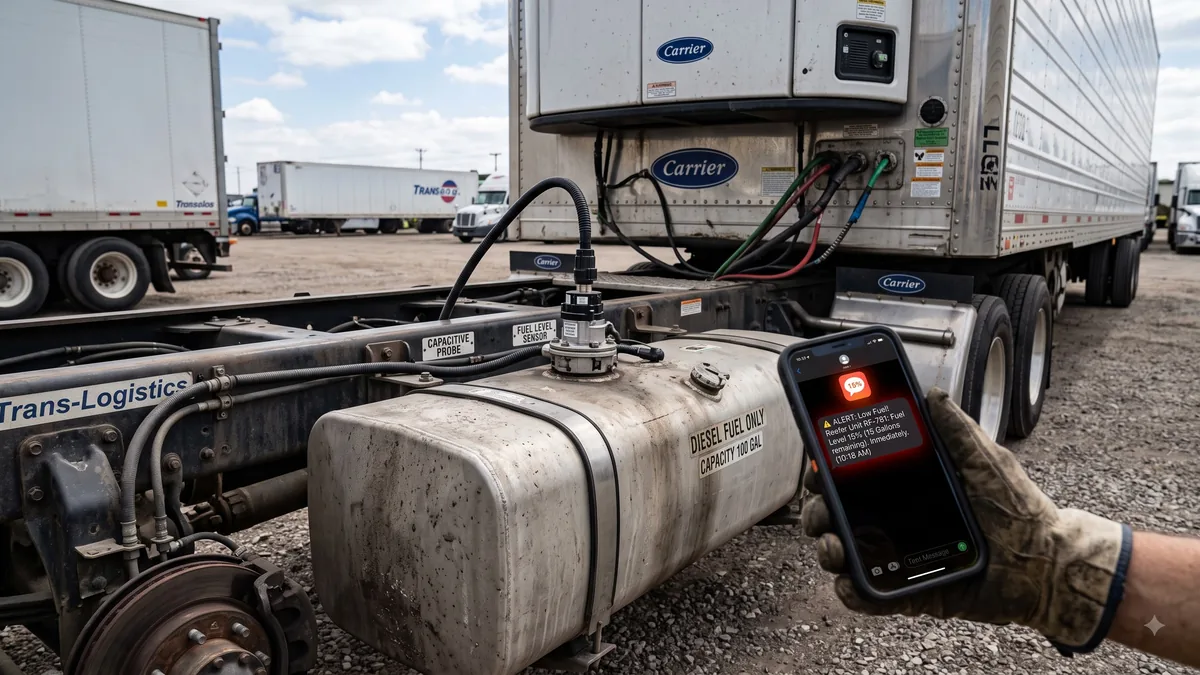
Table of Contents
E-Mobility & EV Fleets Telematics
WizIOT EV-BMS Telematics Controller + CAN-bus J1939 / CANopen Sniffer
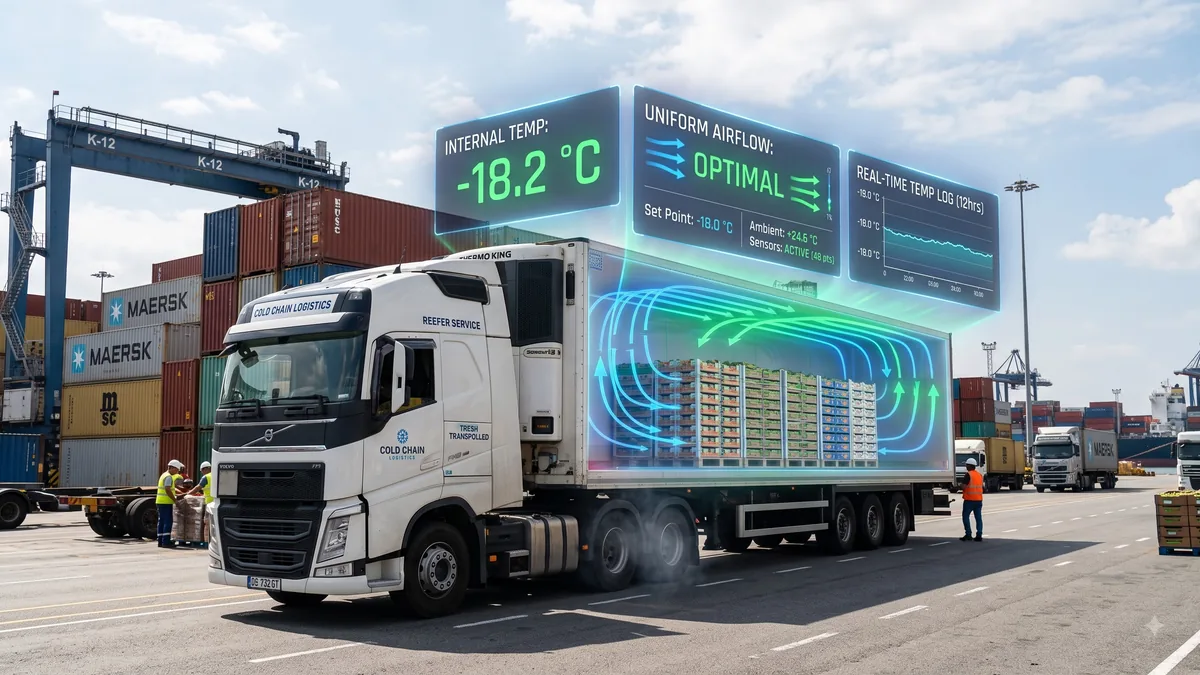
A refrigerated trailer loaded with $80,000 worth of frozen seafood is parked at a port staging yard over a long weekend awaiting Monday morning clearance. On Saturday evening, the reefer unit's auxiliary diesel engine runs out of fuel after idling continuously for 36 hours. The cooling generator shuts down silently. By Monday morning, internal trailer temperatures have risen to 22°C, destroying the entire shipment.
In refrigerated transport logistics, auxiliary reefer engine fuel starvation is one of the most common causes of catastrophic cargo spoilage.
Refrigerated trailers feature independent diesel engines (Thermo King, Carrier) powered by dedicated 150L to 300L fuel tanks mounted under the trailer chassis. Drivers frequently check the truck's main fuel tank but forget to monitor the auxiliary reefer fuel level—leading to silent engine shutdown during long port waits or overnight stops.
If your fleet operates refrigerated trailers, relying on manual dipstick checks is a high-risk operational gamble. This guide explains how dedicated reefer fuel sensors and low-level SMS warnings prevent generator shutdowns.
---
Why Auxiliary Reefer Fuel Monitoring is Critical
Auxiliary reefer engines operate under distinct fueling conditions compared to main truck engines:
1. **Independent Fuel Reservoirs:** Reefer units draw fuel from a separate underslung tank. Fuel levels are invisible to standard truck dashboard gauges. 2. **High Hourly Burn Rates:** Heavy reefer generators burning diesel in hot summer ambient temperatures consume 2.5 to 4.5 liters of fuel per hour, depleting a 200L tank within 48 to 60 hours of continuous operation. 3. **Reefer Tank Diesel Siphoning:** Thieves frequently siphon fuel from unmonitored reefer trailer tanks parked at rest stops, knowing drivers rarely check reefer fuel levels during mid-trip rest breaks.
---
4 Engineering Controls for Reefer Unit Fuel Security
1. High-Precision Capacitive Reefer Fuel Sensors
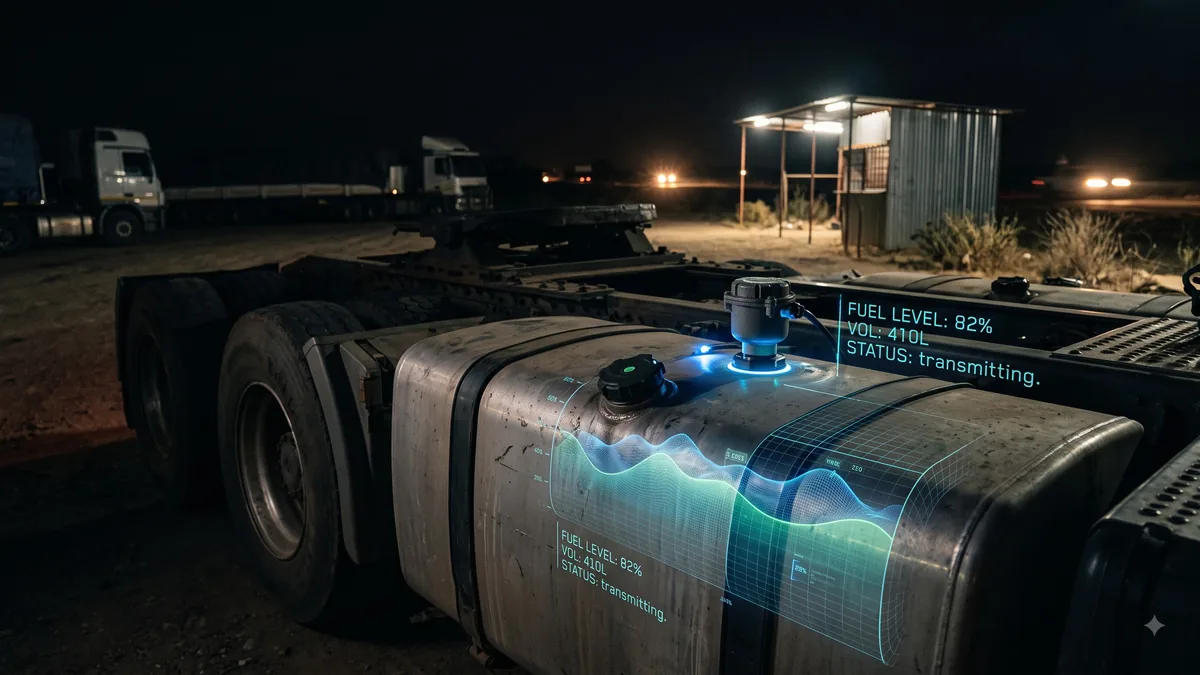
WizIOT cold chain telematics installs dedicated immersion capacitive probes directly inside trailer reefer fuel tanks.
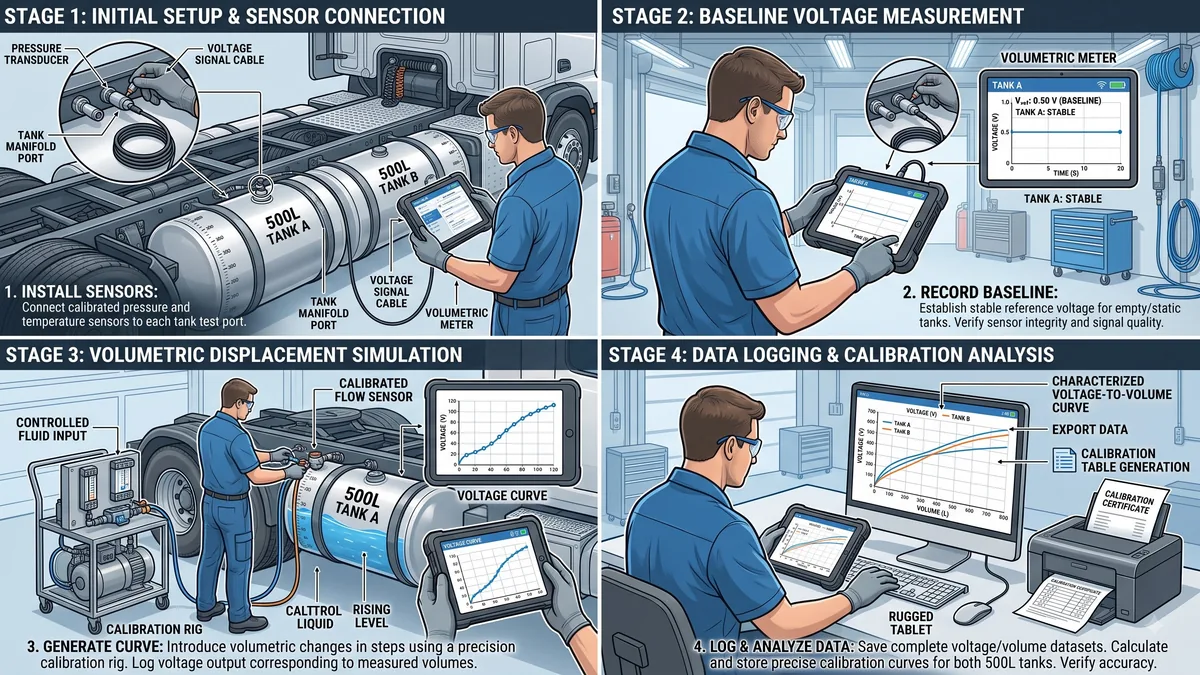
- **±0.2% Measurement Precision:** Delivers continuous sub-liter volume measurement across 150L to 300L aluminum or steel reefer tanks.
- **Thermal Density Compensation:** Internal digital temperature sensors automatically adjust volume calculations for fuel thermal expansion during daytime heat.
2. Multi-Stage Low-Fuel Early Warning Alarms
WizIOT software enforces strict low-fuel alert thresholds to prevent generator starvation:
- **Level 1 Alert (25% Fuel Remaining):** Push notification and email alert to fleet dispatchers indicating ~12 hours of remaining reefer runtime.
- **Level 2 Alert (15% Fuel Remaining):** Urgent SMS alert to driver and duty manager indicating ~6 hours of remaining runtime.
- **Level 3 Alert (10% Fuel Remaining):** Automated voice call escalation to fleet operations director to dispatch an emergency mobile refueling unit.
3. Ignition-Off Siphoning Detection
Reefer fuel tanks are primary targets for black-market siphoning. WizIOT telematics gateways monitor reefer fuel volume continuously.
If reefer fuel level drops by more than 3.5 liters unexpectedly while the reefer engine is turned OFF or parked, the system transmits an immediate **Reefer Fuel Siphoning Alarm** via SMS and control room push notifications within 15 seconds.
4. Consolidated Reefer Engine ECU & Fuel Telemetry
WizIOT telematics gateways connect directly to Thermo King (DAS / REEVO) and Carrier Transicold (DataCOLD) microprocessors via serial or CAN-bus interfaces, capturing: - Engine Operating Mode (Cooling, Heating, Defrost) - Engine Runtime Hours & Battery Voltage - Fuel Level Percentage & Calculated Burn Rate (Liters/Hour)
---
Real-World Impact: Seafood & Meat Fleet Case Study
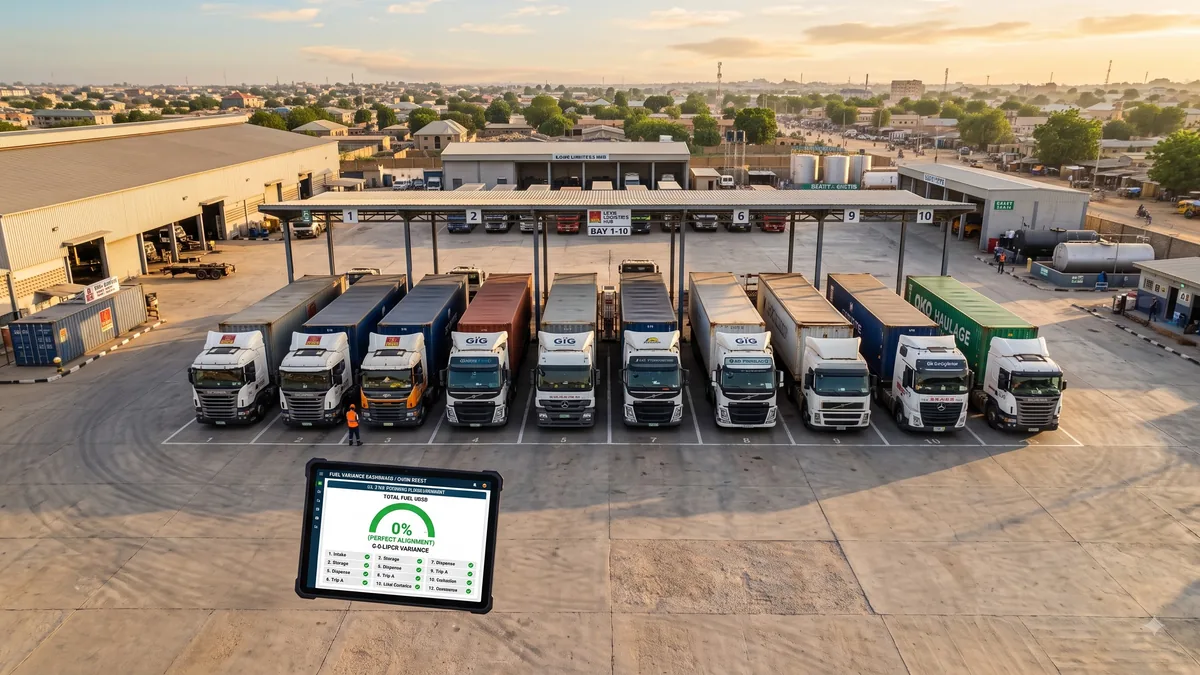
A refrigerated haulage contractor operating 50 reefer trailers supplying port terminals and supermarket hubs deployed WizIOT dedicated reefer fuel sensors.
12-Month Security & Operational Results: - **Reefer Engine Fuel Starvation Incidents:** Reduced from 11 events per year to 0 (100% eliminated) - **Reefer Tank Siphoning Incidents:** 16 unauthorized fuel siphoning events caught and audited - **Prevented Cargo Spoilage Losses:** Saved $340,000+ in prevented food destruction claims
---
Questions to Ask Cold Chain Telematics Vendors
1. *Does your telematics solution include dedicated capacitive fuel probes for underslung reefer trailer tanks?* 2. *Does your software provide multi-stage low-fuel SMS and voice call warnings before generator shutdown occurs?* 3. *Can your gateway connect directly to Thermo King and Carrier Transicold engine controllers?* 4. *Does the system detect fuel siphoning from reefer trailer tanks while parked at rest stops?* 5. *Are your fuel sensors potted and IP68 waterproof rated to withstand road spray and steam cleaning?*
---
Prevent Silent Reefer Generator Shutdowns Today
Eliminate reefer fuel starvation and protect your refrigerated cargo against silent cooling loss. Deploy WizIOT's dedicated reefer fuel sensors, low-level alarms, and engine diagnostic telematics.
Request Reefer Fuel Telematics Proposal
---
Frequently Asked Questions (FAQs)
**Q1: Can WizIOT reefer fuel sensors be installed on aluminum, steel, and polyethylene reefer tanks?** Yes. WizIOT capacitive fuel probes feature universal SAE 5-bolt flange adapters compatible with aluminum, steel, and high-density polyethylene reefer fuel tanks.
**Q2: How long does a 200-liter reefer tank run continuously under heavy cooling demand?** Under heavy summer cooling demand (maintaining -20°C in 38°C ambient heat), a reefer engine consumes ~3.5 liters per hour, providing approximately 57 hours of continuous operation on a 200L tank.
**Q3: Does the telematics unit run on the reefer engine battery or truck battery?** WizIOT trailer gateways connect to the reefer unit's 12V battery and include internal high-capacity backup batteries that continue reporting fuel levels for up to 72 hours if reefer power is cut.
**Q4: Can fleet managers view reefer fuel levels on their mobile smartphones?** Yes. Fleet managers can monitor live reefer fuel levels, engine status, and cargo temperatures directly through the WizIOT mobile app for iOS and Android.
---
Related Articles
- Reefer Door Magnetic Sensors: Stopping Thermal Leaks and Cargo Warm-Up in Transit
- Multi-Zone Reefer Telematics: Monitoring Dual-Temperature Frozen & Chilled Cargo Simultaneously
- BLE Wireless Temperature Sensors vs. Wired Probes: Why Reefers Are Going 100% Wireless
- Solar-Powered Reefer Telematics: 24/7 Temperature Tracking When Trailers Are Unhooked
---
Explore WizIOT Solutions
Target Telematics Hubs & Enterprise Solutions
Protect Your Commercial Fleet Today
Request a live hardware demonstration, ±0.2% capacitive probe calibration certificates, and real-time anti-theft gateway trials.