Fuel Card Fraud vs. IoT In-Tank Sensors: Why Fuel Cards Alone Cannot Stop Siphoning
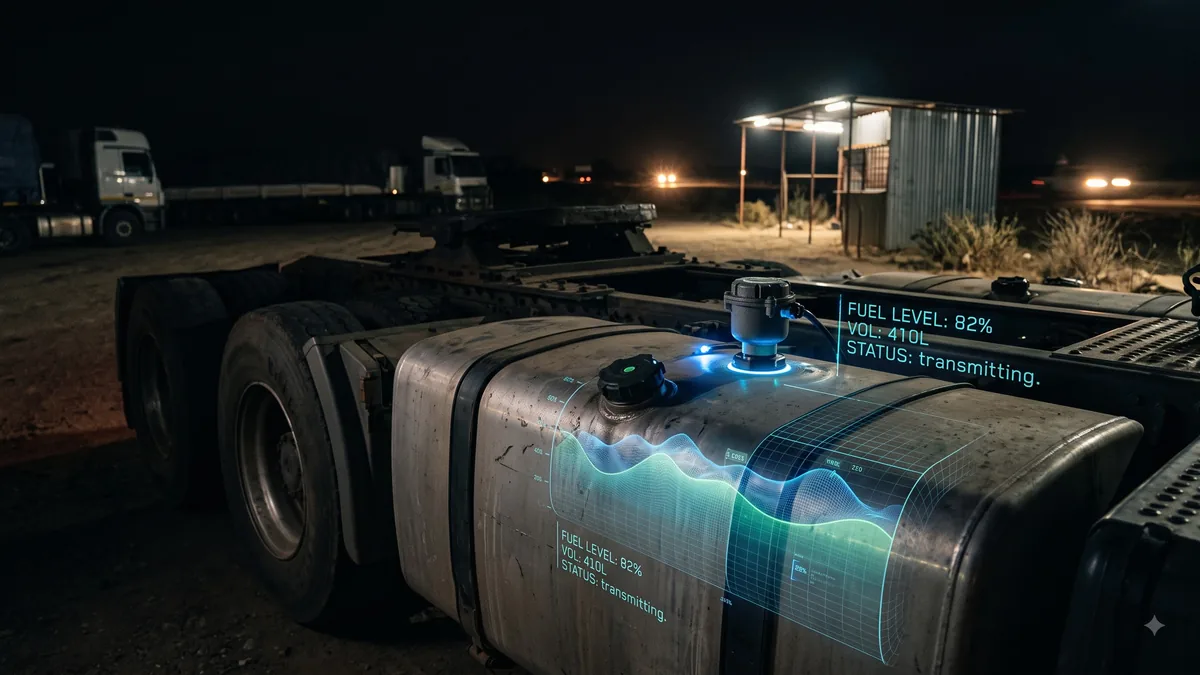
Table of Contents
- The Blind Spots of Corporate Fuel Cards
- How Pairing Fuel Card APIs with IoT Sensors Solves the Problem
- Comparison Matrix: Fuel Cards Only vs. Fuel Cards + IoT Telematics
- Questions to Ask Telematics Vendors About Fuel Card Integration
- Eliminate Fuel Card Fraud Across Your Fleet
- Related Articles
- Explore WizIOT Solutions
E-Mobility & EV Fleets Telematics
WizIOT EV-BMS Telematics Controller + CAN-bus J1939 / CANopen Sniffer
A commercial fleet manager overseeing 100 trucks reviews monthly fuel expenditure statements issued by their corporate fuel card provider. The invoices reconcile cleanly: every card swipe matches a valid filling station location, timestamp, and authorized dollar amount. Yet, overall fleet fuel expenses remain 20% higher than baseline engine consumption models.
This scenario exposes a major misconception in commercial logistics management: believing that corporate fuel cards alone prevent fuel theft.
While fuel cards provide transaction control at the pump, they offer zero visibility into physical fuel movement after the card is swiped. Drivers routinely exploit fuel cards through pump attendant collusion, partial tank fills, and post-refueling siphoning.
If your organization relies solely on fuel card statements to control fuel costs, this guide explains why fuel cards fail as anti-theft systems and how pairing fuel card APIs with in-tank IoT sensors eliminates fuel fraud.
---
The Blind Spots of Corporate Fuel Cards
Corporate fuel cards (e.g., Shell Fleet, BP FuelCard, TotalCard) provide valuable payment convenience and basic purchasing controls, such as limiting daily spend caps or restricting purchases to fuel items only. However, fuel cards suffer from critical security blind spots:
1. **The Fuel Card Doesn’t Know Where Fuel Is Pumped:** A fuel card swipe confirms that 300 liters of diesel were paid for at Station A. It cannot verify whether 300 liters entered the truck’s fuel tank—or whether 100 liters were pumped into jerrycans sitting in a driver's private vehicle. 2. **Attendant Collusion Fraud:** Drivers routinely strike deals with station attendants to swipe cards for 300 liters, pump 200 liters into the truck, and split the remaining 100 liters in cash or personal goods. 3. **Post-Refueling Siphoning:** Even if 300 liters are correctly pumped into the truck, fuel cards cannot detect when a driver stops 10 km down the highway to drain 50 liters out of the tank into commercial drums for black-market sale.
In summary: **Fuel cards track financial expenditure, not physical fuel custody.**
---
How Pairing Fuel Card APIs with IoT Sensors Solves the Problem
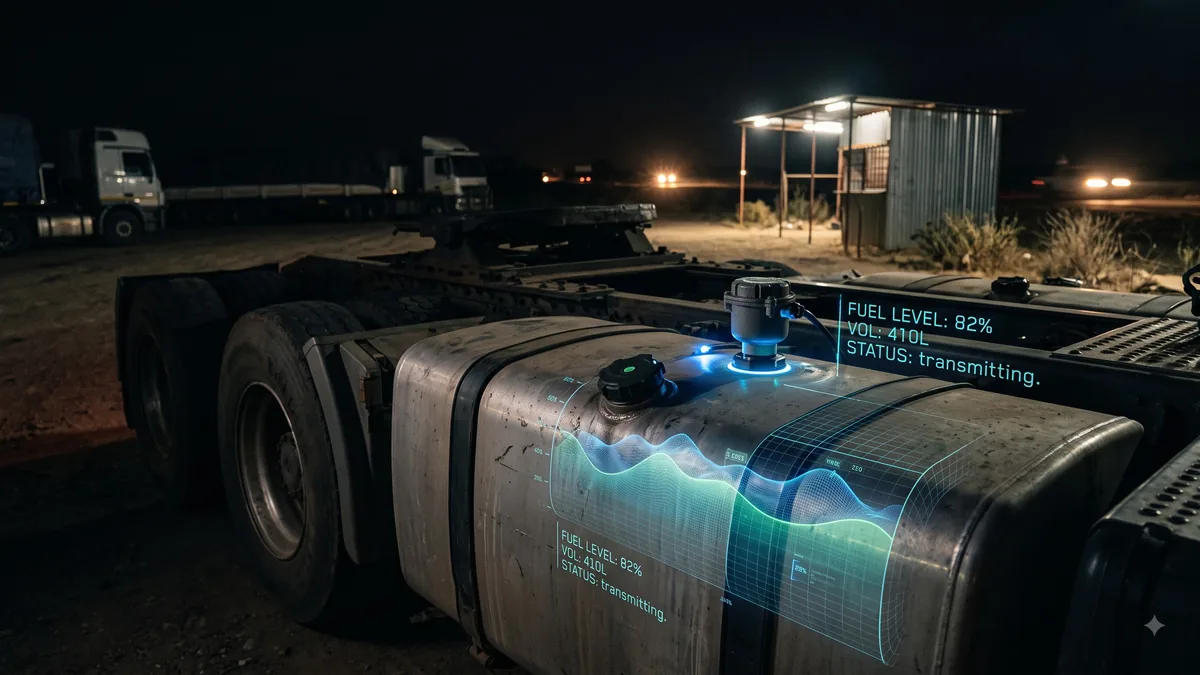
WizIOT bridges the gap between financial transaction data and physical tank volume reality by integrating corporate fuel card transaction APIs with in-tank capacitive telemetry.
The 3-Step Automated Reconciliation Loop
[Fuel Card Swipe API Event] ──► [In-Tank Capacitive Sensor Verification] ──► [Automated Exception Audit]#### Step 1: Real-Time Fuel Card API Ingestion When a driver swipes a fuel card at a station, WizIOT automatically ingests the transaction data via API webhooks, capturing: - Transaction Timestamp - Station Location & GPS Coordinates - Claimed Fuel Volume (e.g., 280.0 Liters) - Total Transaction Cost
#### Step 2: Physical Tank Sensor Increase Measurement Simultaneously, WizIOT in-tank capacitive probes measure actual liquid height increase inside the truck tank during the refueling event, calculating actual physical liters added (e.g., 210.5 Liters).
#### Step 3: Automated Mismatch Exception Flagging The software automatically reconciles the claimed transaction volume against actual physical tank volume increase:
$$\text{Fuel Variance} = \text{Fuel Card Claimed Liters} - \text{Sensor Measured Added Liters}$$
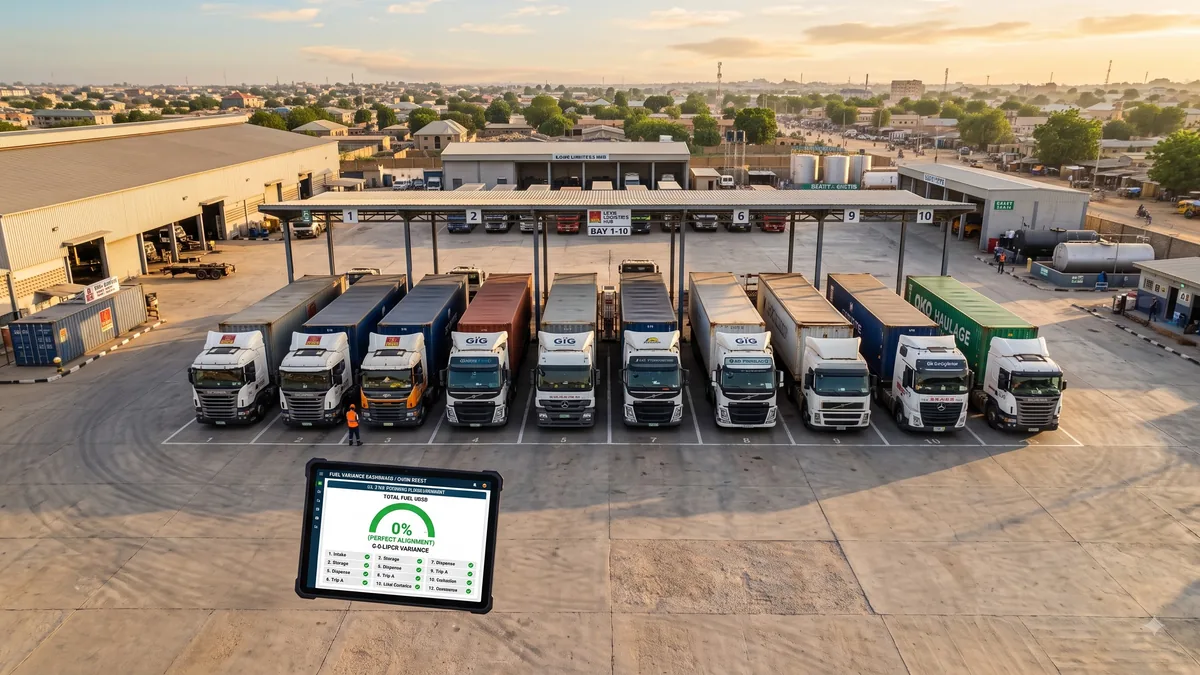
If the variance exceeds acceptable measurement tolerance (e.g., Variance > 5.0 Liters), WizIOT generates an immediate **Fuel Card Fraud Mismatch Alert**, notifying dispatchers before the driver leaves the filling station.
---
Comparison Matrix: Fuel Cards Only vs. Fuel Cards + IoT Telematics
| Fleet Security Capability | Fuel Cards Only | Fuel Cards + WizIOT IoT Sensors | |---|---|---| | **Transaction Spend Limits** | Yes (Daily Caps) | Yes (Integrated spend control) | | **Detect Short-Filling at Pump** | No (Card accepts station receipt) | **Yes (Catches sub-liter mismatches)** | | **Detect Night Siphoning at Rest Stops** | No (Zero visibility while parked) | **Yes (Instant SMS drop alert)** | | **Verify Physical Fuel Reached Tank** | No (Assumes receipt truth) | **Yes (Sensor-verified tank rise)** | | **Automated Mismatch Audit** | No (Requires manual audit) | **Yes (Real-time automated API flag)** |
---
Questions to Ask Telematics Vendors About Fuel Card Integration
1. *Does your telematics platform feature pre-built API integrations with major fuel card providers?* 2. *Can your software automatically reconcile fuel card statement APIs against physical in-tank sensor data?* 3. *What is the maximum time delay between a fuel card swipe and automated sensor reconciliation?* 4. *Does your system flag short-filling events while the truck is still parked at the filling station?* 5. *Can fuel card transaction mismatch reports be exported automatically to ERP accounting systems?*
---
Eliminate Fuel Card Fraud Across Your Fleet
Stop assuming fuel card receipts represent tank reality. Pair your corporate fuel cards with WizIOT in-tank capacitive sensors and automated API reconciliation software.
Request Fuel Card Reconciliation Demo
---
Frequently Asked Questions (FAQs)
**Q1: Which fuel card providers can integrate with WizIOT telematics APIs?** WizIOT supports pre-built REST API integrations with major international and regional fuel card providers including Shell Fleet, BP, TotalEnergies, Chevron, ExxonMobil, and custom bank fleet card APIs.
**Q2: How does the system handle fuel tank volume expansion in hot weather?** WizIOT capacitive probes incorporate internal digital temperature sensors that automatically compensate for fuel thermal expansion, ensuring exact volumetric accuracy during daytime refueling.
**Q3: What happens if a fuel station's card terminal goes offline and paper receipts are used?** WizIOT software includes an Optical Character Recognition (OCR) mobile scanner allowing drivers to photograph paper receipts; the system extracts claimed fuel values and reconciles them against sensor log data.
**Q4: Can we block fuel card swipes if the truck is not physically located at the filling station?** Yes. WizIOT location-based card authorization matches GPS coordinates of the truck with the station location, declining card swipes if the truck is not physically parked at the pump.
---
Related Articles
- How to Calculate Your Fleet’s Fuel Theft ROI & Payback Period in 10 Minutes
- CAN-Bus Fuel Consumption vs. In-Tank Fuel Probes: Which Delivers True Accuracy?
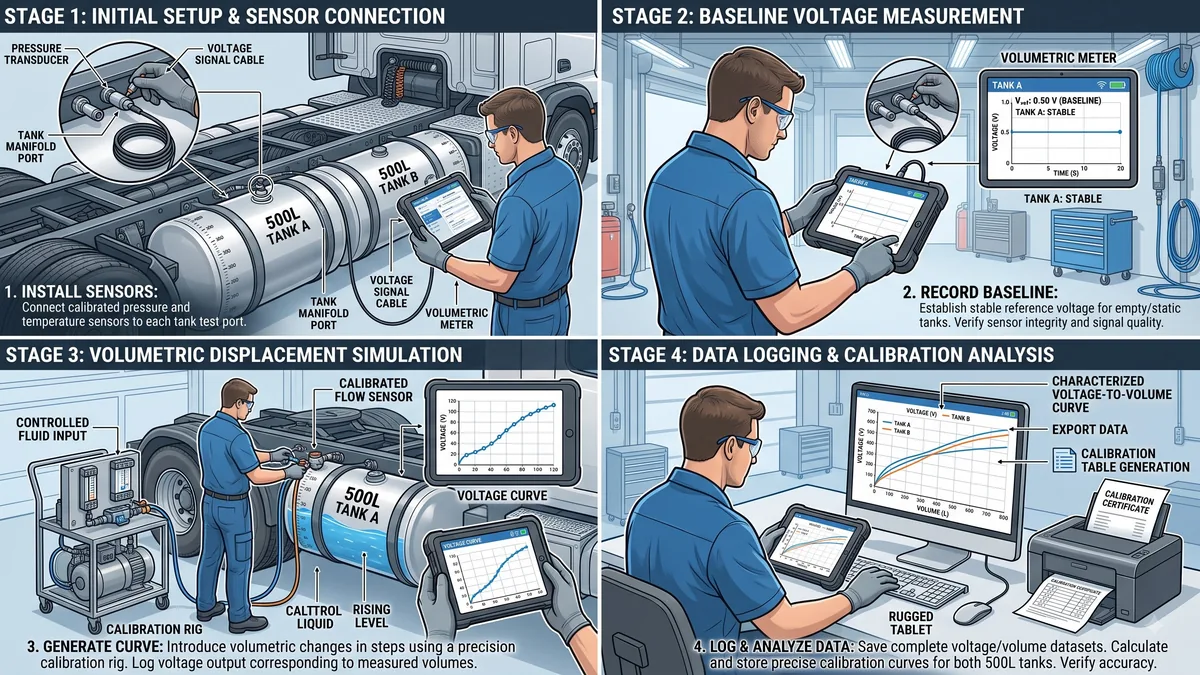
- How to Calibrate Capacitive Fuel Sensors for Dual-Tank Heavy Trucks in 5 Steps
- How Drivers Try to Bypass Fuel Sensors (And 5 Tamper-Proof Countermeasures)
---
Explore WizIOT Solutions
Target Telematics Hubs & Enterprise Solutions
Protect Your Commercial Fleet Today
Request a live hardware demonstration, ±0.2% capacitive probe calibration certificates, and real-time anti-theft gateway trials.