Nigerian Fleet Owner’s Guide: 12-Step Fuel Theft Prevention Framework That Saved ₦18M/Year
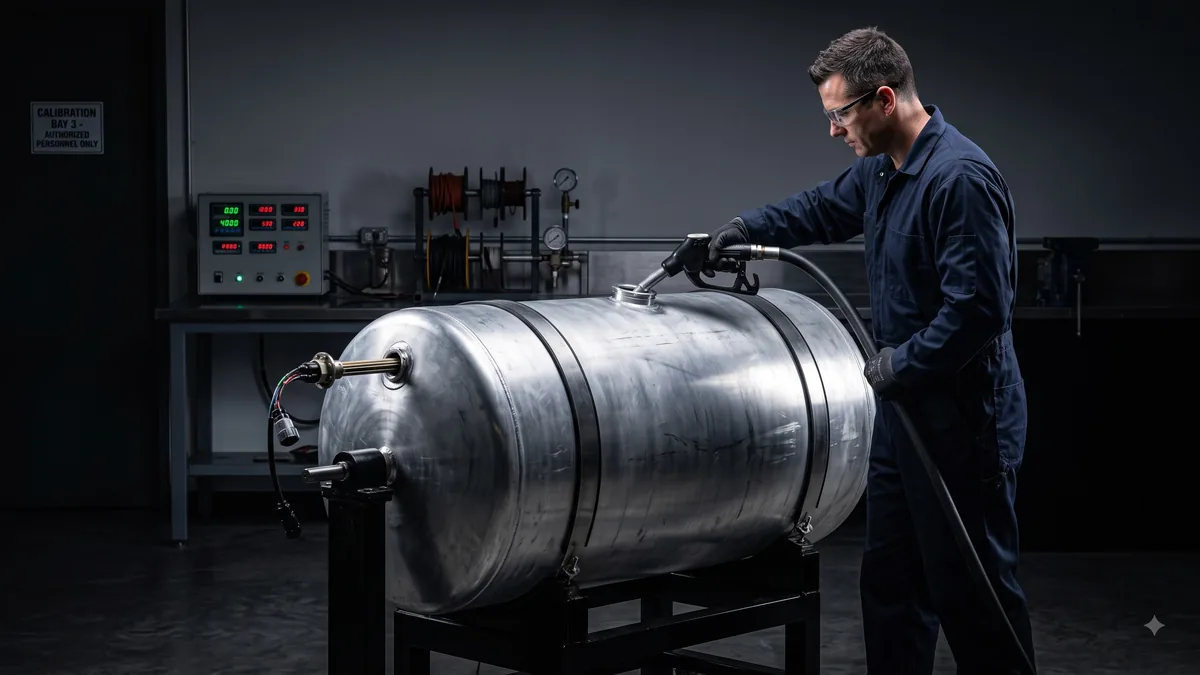
Table of Contents
E-Mobility & EV Fleets Telematics
WizIOT EV-BMS Telematics Controller + CAN-bus J1939 / CANopen Sniffer
A prominent transport enterprise in Nigeria operating 120 heavy haulage trailers between Lagos (Apapa Port), Ibadan, Kaduna, and Kano faced an escalating operational crisis: monthly diesel expenditure reached ₦48 Million, accounting for 52% of total operational costs. Internal audits revealed an unexplained 21% fuel variance—meaning over ₦10 Million in diesel was vanishing every month through driver siphoning, fuel card fraud, and filling station collusion.
In Nigeria's commercial haulage sector, unmonitored fuel expenditure is the leading cause of fleet business failure. High diesel pump prices, volatile currency exchange rates, and widespread informal fuel black markets create massive financial incentives for driver theft.
If you are a Nigerian fleet owner or transport director, relying on trust or manual paper receipts is financial suicide. This comprehensive guide outlines the 12-step engineering and management framework that saved a Nigerian fleet ₦18 Million annually.
---
The 12-Step Fuel Loss Prevention Framework
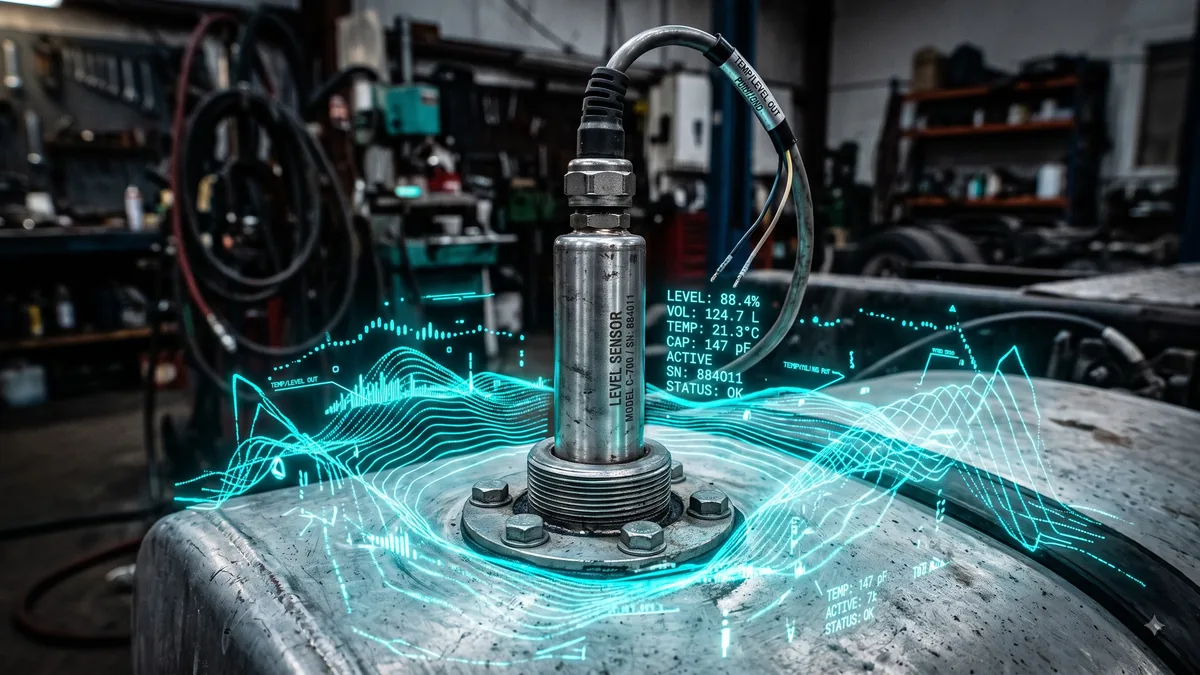
Step 1: Install High-Precision Capacitive In-Tank Fuel Probes Replace unreliable factory arm float sensors with immersion capacitive probes featuring ±0.2% measurement precision. Capacitive probes measure actual fuel height continuously, providing sub-liter volume resolution across 500-liter to 1,000-liter dual aluminum tanks.
Step 2: Implement Temperature-Compensated Density Analytics Fuel expands in afternoon heat and contracts at night. WizIOT sensors feature internal temperature probes that automatically adjust volume readings for thermal expansion, eliminating false siphoning alarms caused by ambient temperature swings in Northern Nigeria.
Step 3: Enforce Ignition-Off Siphoning Alarms Over 80% of diesel siphoning occurs while trucks are parked overnight at unmonitored rest stops in Ogere, Lokoja, or Jebba. WizIOT telematics units remain awake in low-power mode, sampling fuel levels every 30 seconds and sending immediate SMS alarms if fuel levels drop unexpectedly without ignition.
Step 4: Automate Fuel Card & Receipt API Reconciliation Match electronic fuel card purchases directly against physical in-tank sensor increases. If a driver submits a receipt for 300 liters but the capacitive probe records only 200 liters added to the tank, WizIOT software generates an instant **Fuel Short-Fill Mismatch Exception**.
Step 5: Geofence Authorized Fueling Stations Restrict filling station refueling to pre-approved, geofenced fuel depots (e.g., TotalEnergies, Mobil, Conoil stations). Refueling events occurring outside approved geofences trigger immediate non-compliance alerts to dispatchers.
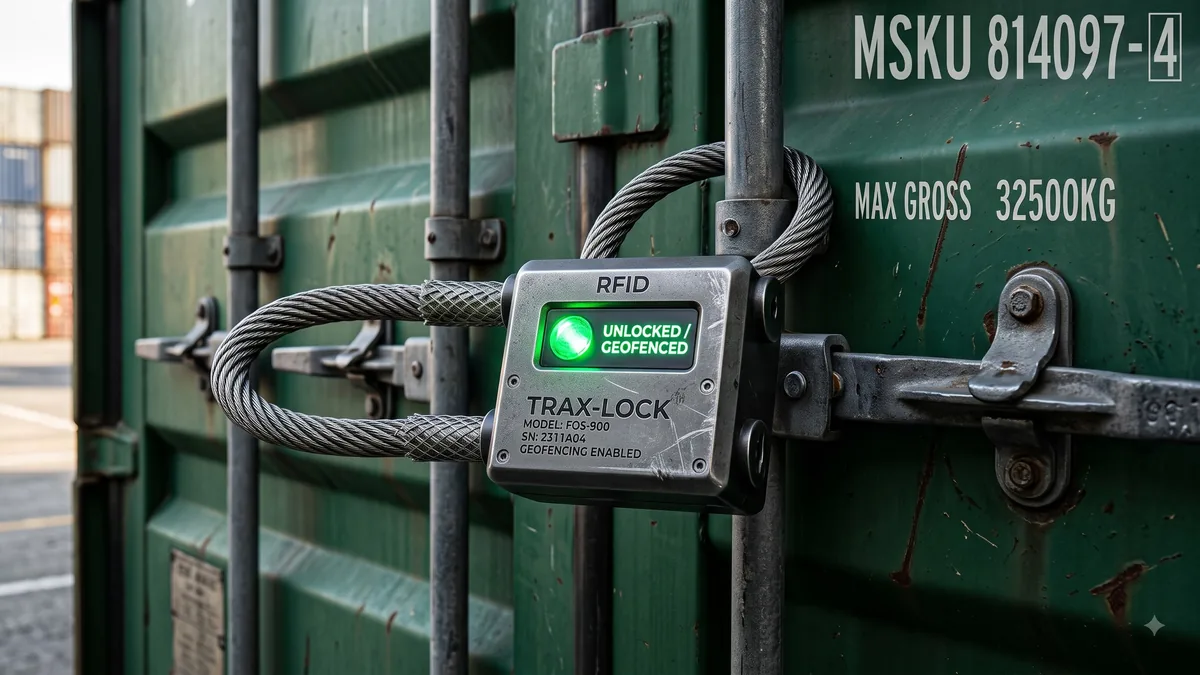
Step 6: Enclose Wiring Harnesses in Stainless Steel Armor Drivers facing fuel monitoring often attempt to disable sensors by cutting wires. WizIOT installs flexible stainless steel armored conduits over all sensor wiring, paired with wire-cut tamper detection circuits that sound an audible cab horn alarm if wires are cut.
Step 7: Tap CAN-Bus ECU for True Fuel Burn Metrics Connect telematics hardware directly to the truck ECU (J1939 CAN-bus protocol) to log exact engine fuel consumption per kilometer. Cross-referencing engine fuel burn against trip distance exposes driver claims of "excessive traffic idling."
Step 8: Multi-Tank Differential Volume Summation Heavy haulage trucks transiting long routes frequently carry main and auxiliary tanks connected by equalizer hoses. WizIOT multi-tank algorithms sum total volume across both tanks simultaneously, preventing false alarms caused by fuel sloshing between tanks on uneven roads.
Step 9: Establish Automated Driver Fuel Scorecards Compile automated monthly Driver Fuel Scorecards rating drivers on actual CAN-bus fuel efficiency (km/liter), unverified fuel drop counts, and traffic idling time.
Step 10: Implement a Driver Fuel Savings Incentive Program Combine technology with positive incentives. Drivers who maintain zero fuel variance and achieve top fuel efficiency scores receive a monthly cash bonus (e.g., ₦50,000 bonus), transforming drivers into partners in fuel conservation.
Step 11: Mandate Tank Filler Neck Anti-Siphon Baffles Fit heavy-duty internal steel mesh anti-siphon baffles inside truck filler necks to physically prevent hand hoses from reaching the bottom of fuel tanks, providing mechanical defense alongside electronic monitoring.
Step 12: Conduct Monthly Audit Reviews with Management Review automated monthly PDF fuel variance reports with executive leadership. Clear data graphs detailing siphoning locations, short-fill events, and driver rankings provide indisputable evidence for disciplinary actions or financial deductions.
---
Real-World Impact: ₦18 Million Annual Savings in Lagos
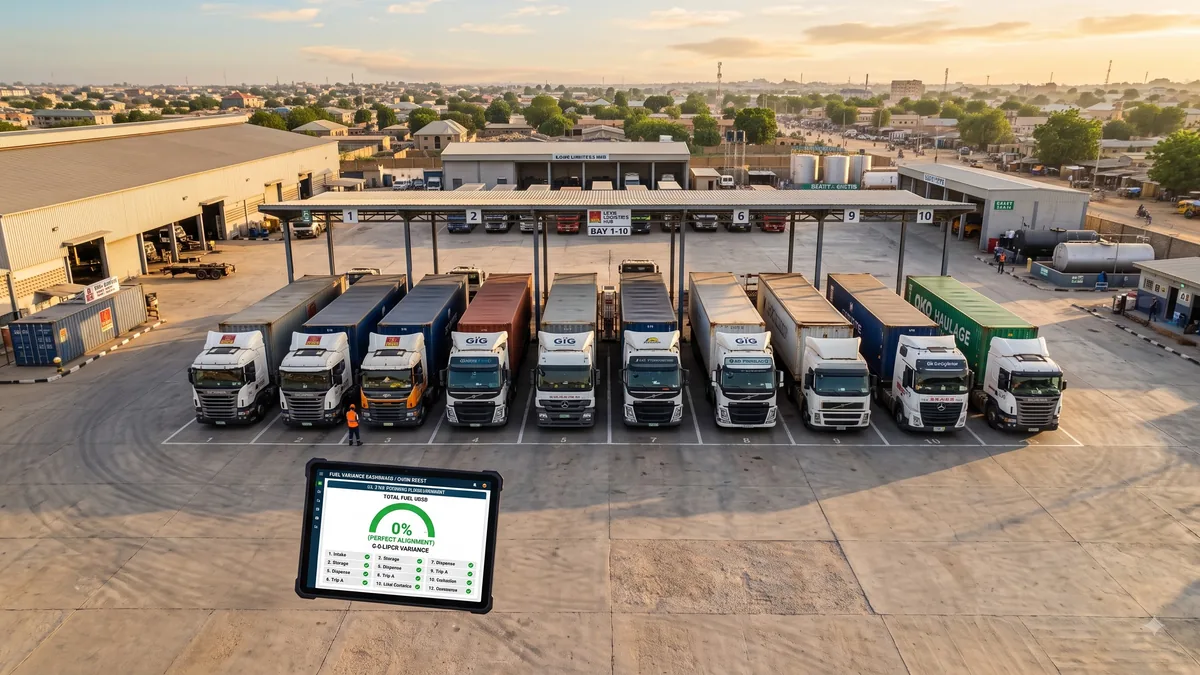
A 120-truck freight carrier operating Apapa Port container haulage and inter-state distribution across Nigeria implemented this 12-step framework over a 6-month period.
Operational Transformation Results: - **Unexplained Fuel Variance:** Reduced from 21.2% to 1.4% - **Monthly Fuel Cost Reduction:** Saved ₦1.5 Million per month (₦18 Million annually) - **Payback Period:** Complete hardware and installation investment recovered in 42 days
---
Questions to Ask Telematics Vendors in Nigeria
1. *Are your fuel sensors capacitive immersion probes with sub-liter volume resolution?* 2. *Does your telematics unit features internal temperature compensation for West African heat?* 3. *Can your platform automatically reconcile fuel card statement APIs against tank level data?* 4. *Do wiring harnesses come enclosed in stainless steel anti-tamper armor?* 5. *Do you provide certified field installation and tank calibration engineers in Lagos, Port Harcourt, and Kano?*
---
Eliminate Fuel Theft Across Your Fleet Today
Stop leaking profit to siphoning, short-fills, and fake receipts. Deploy WizIOT's 12-step fuel prevention framework, calibrated probes, and automated reconciliation software.
Request Your Nigerian Fleet Fuel Audit
---
Frequently Asked Questions (FAQs)
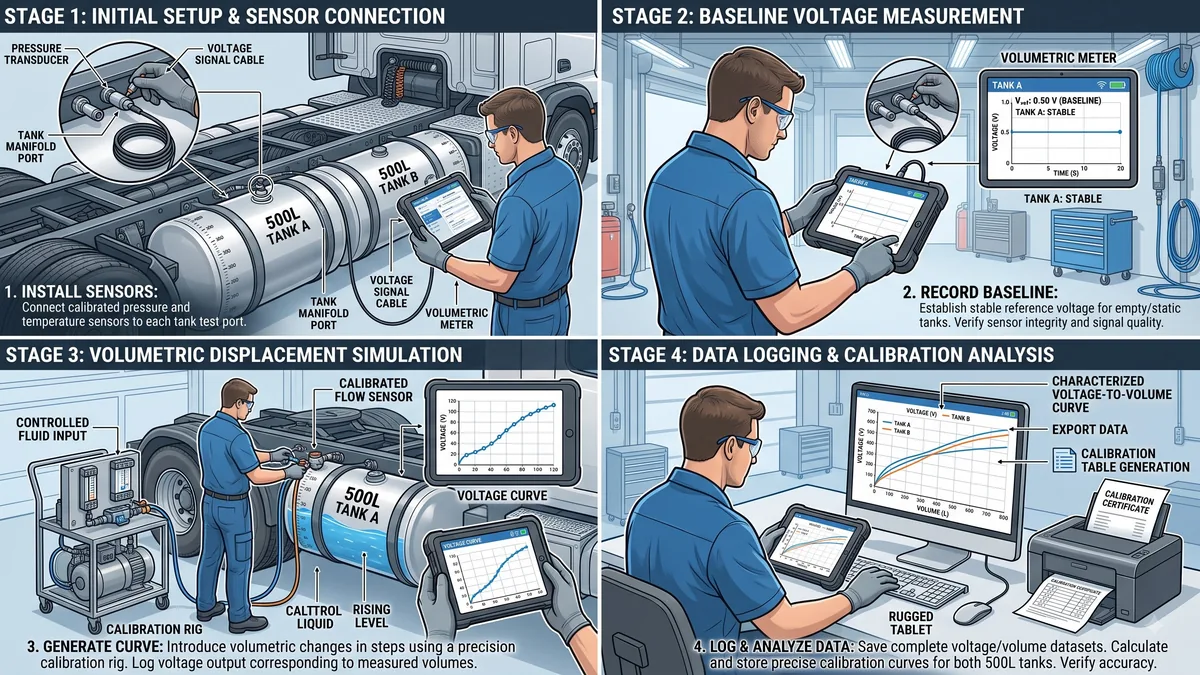
**Q1: How long does it take to calibrate a capacitive fuel probe on a heavy haulage truck?** Tank calibration takes approximately 90 minutes per vehicle. Our certified field engineers perform 10-point calibration at your depot in Lagos, Ibadan, or Kano without interrupting fleet schedules.
**Q2: Can the fuel sensor detect siphoning while the truck is moving?** Yes. WizIOT software utilizes digital Kalman filtering to filter out fuel sloshing during motion, detecting sustained drops caused by auxiliary tank drains while driving.
**Q3: What happens if a driver pours water into the fuel tank to fake a full level?** WizIOT capacitive probes measure dielectric constants; because water has a dielectric constant vastly different from diesel, the sensor immediately triggers a **Water Contamination Alert**.
**Q4: Can fuel reports be exported to Excel or PDF for executive reporting?** Yes. Fleet managers can generate single-click PDF and Excel reports showing vehicle fuel consumption, refill locations, driver scorecards, and financial cost-per-kilometer metrics.
---
Related Articles
- Fuel Theft Monitoring: Real-Time Sensor Data That Caught 34 Drivers in 90 Days (SA Case Study)
- Fake Fuel Receipts Cost Nigerian Fleets ₦4.2M/Year: How to Automate Invoice Verification with IoT
- Fuel Siphoning at Night: 7 Engineering Controls That Stop 98% of Diesel Theft in Kenyan Fleets
- Fuel Sensor Installation Cost Kenya: Per-Truck Pricing Breakdown & ROI Calculator (2026)
---
Explore WizIOT Solutions
Target Telematics Hubs & Enterprise Solutions
Protect Your Commercial Fleet Today
Request a live hardware demonstration, ±0.2% capacitive probe calibration certificates, and real-time anti-theft gateway trials.