Fuel Siphoning at Night: 7 Engineering Controls That Stop 98% of Diesel Theft in Kenyan Fleets
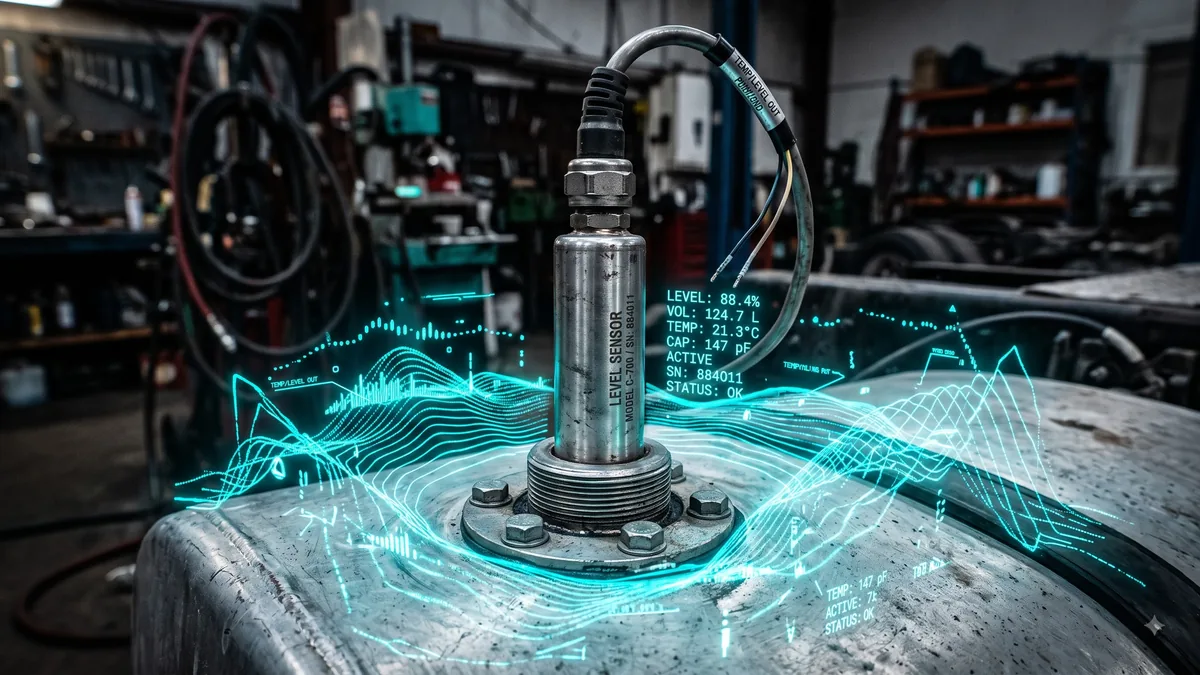
Table of Contents
- Why Standard GPS Trackers Fail to Stop Fuel Theft
- The 7 Engineering Controls That Stop 98% of Fuel Theft
- Real-World Impact: Mombasa-Nairobi Freight Fleet Case Study
- Questions to Ask Before Buying Fuel Monitoring Hardware in Kenya
- Ready to Eliminate Fuel Theft Across Your Fleet?
- Related Articles
- Explore WizIOT Solutions
E-Mobility & EV Fleets Telematics
WizIOT EV-BMS Telematics Controller + CAN-bus J1939 / CANopen Sniffer
You approved the monthly fuel budget for your 80-truck haulage fleet operating along the Northern Corridor (Mombasa-Nairobi-Kampala). Thirty days later, your fuel expenditure exceeds projections by 22%—yet total ton-kilometers traveled remain completely flat. When questioned, drivers point to engine idle time and border queue delays.
This happens more than the African transport industry admits. Night-time diesel siphoning at unmonitored truck stops doesn't just eat into operating margins. It destroys cash flow, degrades engine performance through dirty fuel replacement, and inflates cost-per-kilometer metrics to unsustainable levels.
If you are evaluating fuel monitoring systems for your commercial fleet in Kenya or East Africa, this guide will help you understand the precise engineering controls required to eliminate siphoning before you spend a single Shilling on hardware.
---
Why Standard GPS Trackers Fail to Stop Fuel Theft
Not all fleet tracking hardware is created equal. Standard entry-level GPS trackers only report vehicle coordinates, speed, and ignition status. They cannot tell you when 60 liters of diesel are siphoned through a hidden siphon hose into 20-liter plastic jerrycans while your truck is parked at a nocturnal rest stop in Salgaa or Mtito Andei.
In fact, dishonest drivers actively exploit basic GPS trackers. They park in dead-zone areas or disconnect the vehicle battery main switch, knowing that basic telematics will record a simple "offline" status rather than a critical fuel theft alarm.
A serious fuel intelligence telematics system—one capable of surviving African transport conditions—must provide direct, sensor-verified tank volume data with ±0.2% measurement precision, independent of vehicle ignition status.
---
The 7 Engineering Controls That Stop 98% of Fuel Theft
1. High-Precision Capacitive Rod Probes (Not Float Sensors)
Factory-installed arm float sensors inside truck fuel tanks are notoriously inaccurate, suffering from ±15% measurement drift caused by fuel sloshing, mechanical wear, and non-linear tank shapes.
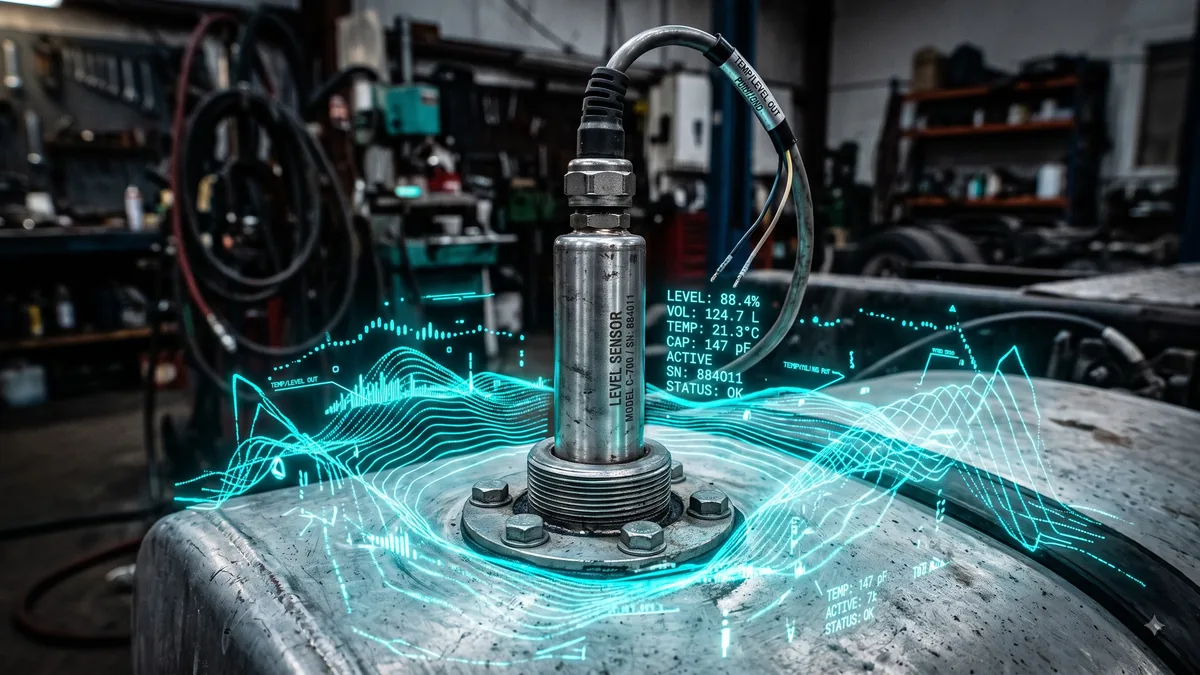
Capacitive fuel probes use direct electrical capacitance measurement between an inner and outer aluminum tube immersed in diesel. Because diesel fuel and air have vastly different dielectric constants, the sensor measures exact fuel height with sub-liter resolution.
- **Immersion Precision:** ±0.2% error margin across 1,000-liter dual tanks.
- **Temperature Compensation:** Internal temperature sensors automatically adjust readings for diesel volume expansion during 40°C daytimes and cold 15°C nights.
2. Ignition-Off Siphoning Detection Circuits
Over 85% of diesel siphoning occurs when the truck ignition is turned off and the driver is sleeping. Advanced telematics hardware features low-power microcontrollers that remain awake even when main ignition is cut.
The unit samples fuel levels every 30 seconds. If tank volume decreases by more than 3.5 liters without engine ignition, the system immediately classifies the event as an **Unauthorized Drain Alarm**.
3. Instant SMS & WhatsApp Control Room Alerts
An alarm logged on a server dashboard is useless if nobody sees it until Monday morning. WizIOT telemetry units transmit critical fuel drop alerts within 12 seconds via encrypted cellular packets, instantly pushing SMS and WhatsApp alerts to the fleet manager's phone.
Each alert includes: - Exact location pinned on Google Maps - Volume of fuel siphoned (e.g., 42.5 Liters) - Timestamp and driver assigned to the vehicle
4. CAN-Bus Engine Fuel vs. Tank Rise Reconciliation
A common driver fraud scheme involves "short-filling"—paying a fuel station attendant for 300 liters, pumping 250 liters into the truck tank, and splitting the cash difference for the remaining 50 liters.
WizIOT solves this by cross-referencing ECU CAN-bus fuel consumption metrics (J1939 protocol) against physical tank sensor volume increases. If the fuel card receipt states 300 liters but the capacitive probe records only 250 liters added, an automated **Fuel Variance Exception** is generated instantly.
5. Armored Cable Conduits & Anti-Tamper Circuits
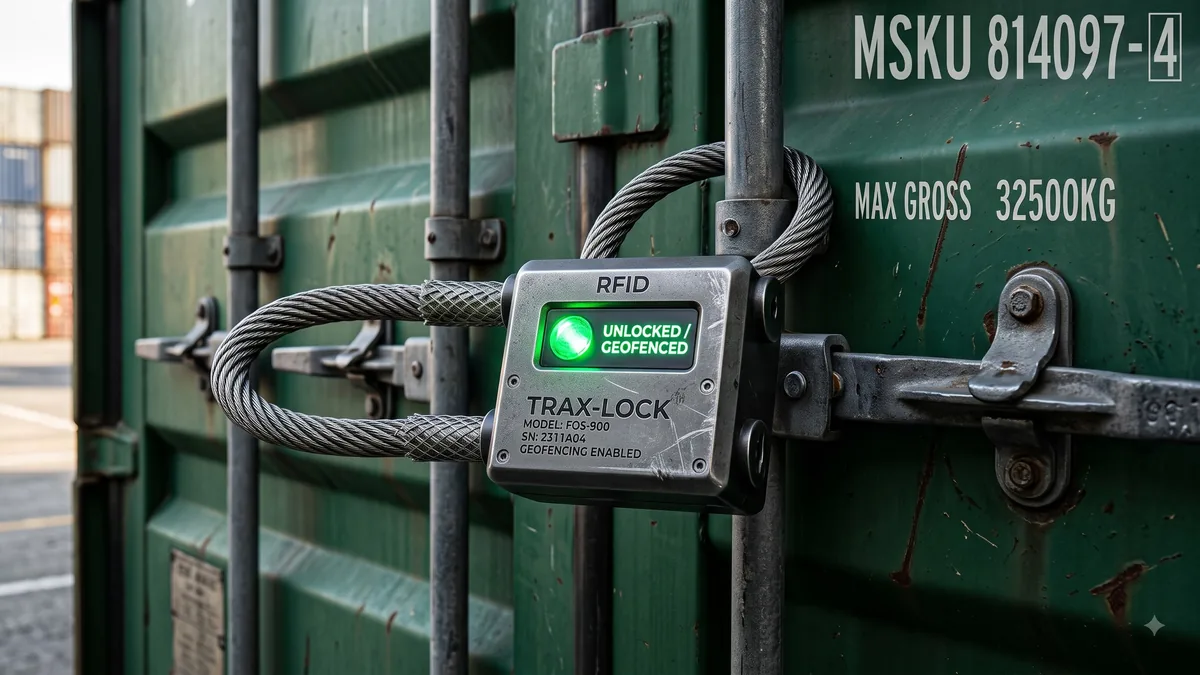
Drivers facing fuel theft monitoring often attempt to sabotage hardware by cutting wires or shorting sensor pins with pins. Modern capacitive sensors incorporate: - Flexible stainless-steel armored wiring conduits - Mainline wire-cut detection circuits that sound an audible cab horn alarm if tampered with - Sealed IP68 waterproof sensor heads that withstand high-pressure steam washing
6. Multi-Tank Differential Telemetry
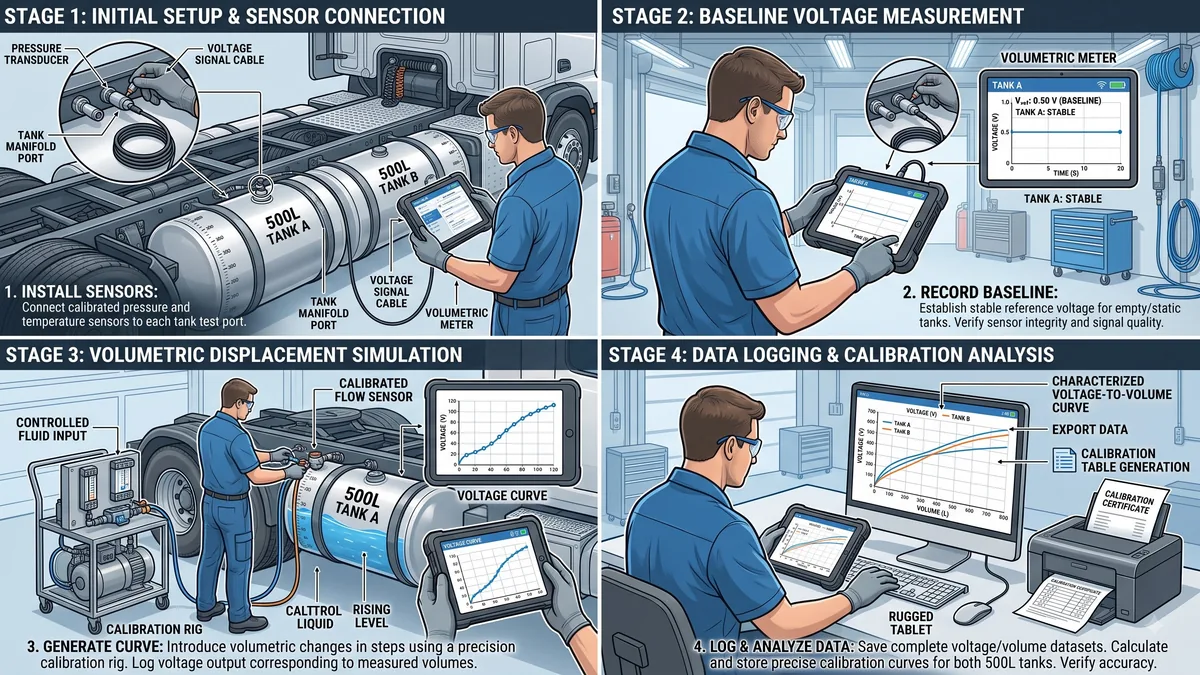
Heavy haulage trucks transiting Kenya to Uganda or Rwanda frequently carry dual fuel tanks (500L + 500L) connected by an equalizer pipe. Simple single-sensor systems generate constant false alarms as fuel sloshes between tanks during cornering or slope parking.
Multi-tank differential telemetry installs calibrated probes in both tanks, mathematically summing total fuel volume in real time to prevent false alarms while catching targeted single-tank drains.
7. Geofenced Authorized Refueling Stations
Restricting fuel card authorization and tank refill verification to pre-approved, geofenced fuel depots (e.g., Shell, TotalEnergies, Rubis stations along the Mombasa-Malaba corridor) ensures that all fuel additions occur under CCTV surveillance.
---
Real-World Impact: Mombasa-Nairobi Freight Fleet Case Study
A Nairobi-based logistics provider operating 85 articulated haulage trucks deployed WizIOT capacitive fuel sensors across their dual-tank fleet. Prior to installation, monthly fuel expenditure averaged KES 14.2 Million, with unexplained fuel variance running at 18.5%.
90-Day Deployment Results: - **Monthly Fuel Cost Savings:** KES 3.12 Million (22% reduction) - **Siphoning Incidents Caught:** 29 unauthorized drains flagged in the first 30 days - **Hardware Payback Period:** Achieved in 44 days
---
Questions to Ask Before Buying Fuel Monitoring Hardware in Kenya
1. *Is the fuel sensor a capacitive probe or a mechanical float arm?* 2. *Does the telematics unit send SMS alerts when the vehicle ignition is switched off?* 3. *How does the software handle fuel volume expansion caused by afternoon heat?* 4. *Are wiring harnesses protected by anti-tamper stainless steel conduits?* 5. *Can the system integrate directly with our existing fuel card provider API?* 6. *What is the documented measurement error percentage (is it under ±0.5%)?* 7. *Do you provide local field installation and tank calibration services in Nairobi and Mombasa?*
---
Ready to Eliminate Fuel Theft Across Your Fleet?
If you are losing money to unexplained diesel disappearance along East African transport routes, WizIOT provides complete end-to-end fuel security: calibrated probes, tamper-proof hardware, and automated reconciliation software.
Book Your Fleet Fuel Audit & Trial
---
Frequently Asked Questions (FAQs)
**Q1: How long does it take to install and calibrate a fuel sensor on a heavy truck?** Installation and 10-point fuel tank calibration take approximately 90 minutes per truck. Our certified field engineers perform installations at your depot in Nairobi, Mombasa, or Nakuru without disrupting delivery schedules.
**Q2: Will installing a fuel probe invalidate my truck's factory warranty?** No. WizIOT capacitive probes mount through standard SAE 5-bolt flange openings or specialized non-invasive tank collar mounts, preserving manufacturer structural warranties.
**Q3: How does the system prevent false alarms when a truck is parked on a steep slope?** WizIOT software incorporates 3-axis accelerometer tilt algorithms that filter out fuel level shifts caused by vehicle inclination up to 15 degrees.
**Q4: What happens if a driver disconnects the main truck battery?** WizIOT telematics units feature internal lithium backup batteries that continue logging location and fuel sensor data for up to 72 hours after main power disconnection.
**Q5: Can fuel telemetry data be exported for accounting and tax audits?** Yes. Fleet managers can export automated PDF and Excel reports showing daily fuel consumption, refill locations, driver efficiency scores, and cost-per-kilometer metrics.
---
Related Articles
- Fuel Sensor Installation Cost Kenya: Per-Truck Pricing Breakdown & ROI Calculator (2026)
- Nigerian Fleet Owner’s Guide: 12-Step Fuel Theft Prevention Framework That Saved ₦18M/Year
- Fuel Theft Monitoring: Real-Time Sensor Data That Caught 34 Drivers in 90 Days (SA Case Study)
- Stopping Night Fuel Siphoning Along the Central Corridor (Tanzania, Uganda & Rwanda)
---
Explore WizIOT Solutions
Target Telematics Hubs & Enterprise Solutions
Protect Your Commercial Fleet Today
Request a live hardware demonstration, ±0.2% capacitive probe calibration certificates, and real-time anti-theft gateway trials.