Preventing Fuel Theft from Fuel Tanker Compartments During Transport in South Africa
Table of Contents
- How Criminal Syndicates Theft Bulk Fuel in Transit
- 4 Engineering Controls for Bulk Fuel Tanker Security
- Real-World Impact: South African Bulk Fuel Fleet Case Study
- Questions to Ask Bulk Tanker Telematics Vendors in South Africa
- Secure Your Bulk Fuel Tankers Against Theft Today
- Related Articles
- Explore WizIOT Solutions
E-Mobility & EV Fleets Telematics
WizIOT EV-BMS Telematics Controller + CAN-bus J1939 / CANopen Sniffer
A bulk fuel distribution company operating 40 articulated multi-compartment fuel tankers out of crude oil refineries in Durban and Secunda faces a severe operational crime pattern: tankers dispatched with 40,000 liters of diesel arrive at retail fuel depots in Gauteng missing 1,500 to 3,000 liters across compartments. Drivers and syndicates bypass traditional plastic security seals by loosening discharge manifold bolts or cracking compartment emergency valves during unmonitored highway stops along the N3.
In South Africa's bulk fuel transport sector, bulk fuel theft is an organized, high-value crime. Stealing 2,000 liters from a bulk tanker yields black-market resale profits exceeding R 45,000 per incident.
If your fleet transports petrol, diesel, or aviation fuel in bulk, simple mechanical padlock security is entirely ineffective. This guide details how electronic compartment valve locks and geofenced discharge telematics eliminate bulk fuel theft.
---
How Criminal Syndicates Theft Bulk Fuel in Transit
Bulk fuel tankers present distinct security vulnerabilities compared to standard freight haulers. Theft syndicates exploit several physical weaknesses:
1. **Manifold Discharge Valve Cracking:** Drivers crack open compartment discharge valves while parked on quiet highway laybys, draining fuel into hidden underground storage tanks or mobile tankers. 2. **Top Loading Hatch Tampering:** Security seals on top manhole covers are carefully cut, fuel is siphoned out, and duplicate counterfeit seals are reapplied before arrival. 3. **Internal Compartment Short-Filling:** Drivers tamper with compartment internal emergency foot-valves, trapping 500 liters inside specific compartments during offloading, which is later drained and sold at unauthorized yards.
Traditional manual seal auditing fails because corrupt drivers obtain matching counterfeit seal numbers or report seals as "broken in transit due to road vibration."
---
4 Engineering Controls for Bulk Fuel Tanker Security
1. Smart Electronic Compartment Valve Locks
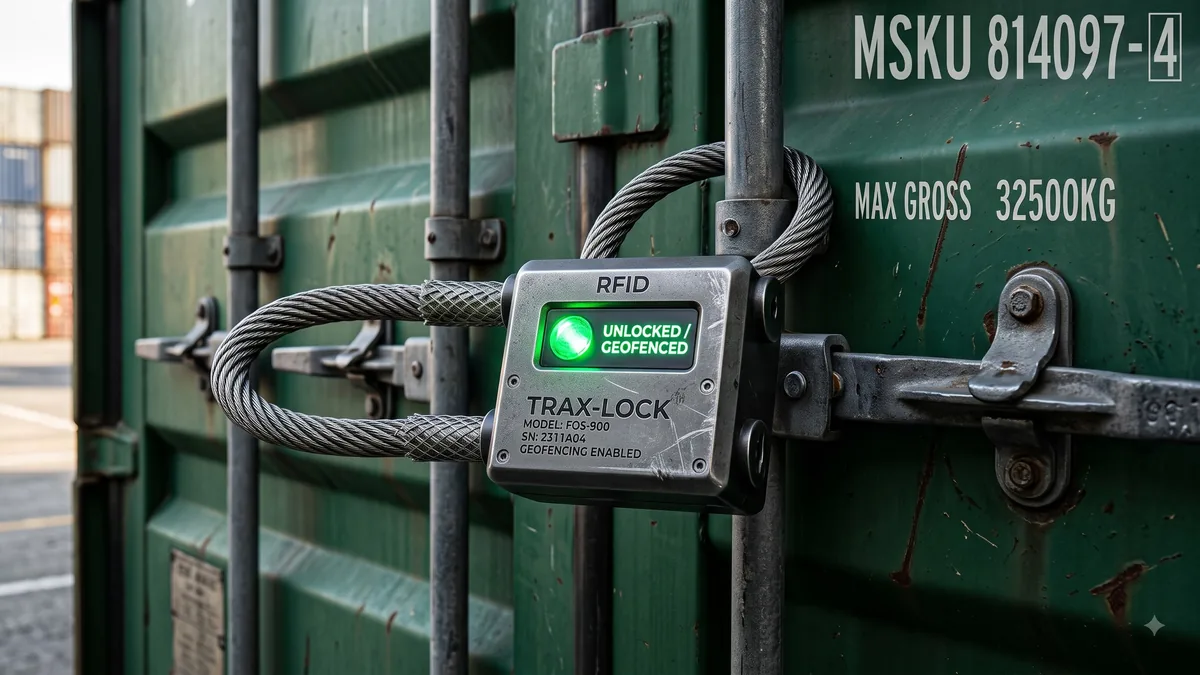
WizIOT bulk tanker security replaces mechanical padlocks and plastic seals with heavy-duty electronic compartment valve locks wired directly into the vehicle telematics gateway.
- **Geofenced Unlocking Logic:** Discharge valves remain physically locked and electronically disabled during transit. They can only be unlocked when the tanker enters authorized GPS destination geofences (e.g., specific petrol station depots).
- **Encrypted RFID Driver Authentication:** Offloading requires authorized driver RFID keycard authentication paired with control room confirmation.
2. Top Manhole Hatch & Bottom Valve Contact Sensors
Every compartment top manhole cover and bottom discharge valve is fitted with IP68 waterproof magnetic contact switches and optic sensors.
- **Real-Time Hatch Opening Alarms:** If a top manhole hatch or bottom discharge valve is opened outside an authorized destination geofence, WizIOT hardware transmits an immediate **Unauthorized Compartment Breach Alarm** via SMS and control room alerts within 3 seconds.
3. Electronic Fuel Dipstick Telemetry (Overfill & Drop Sensing)
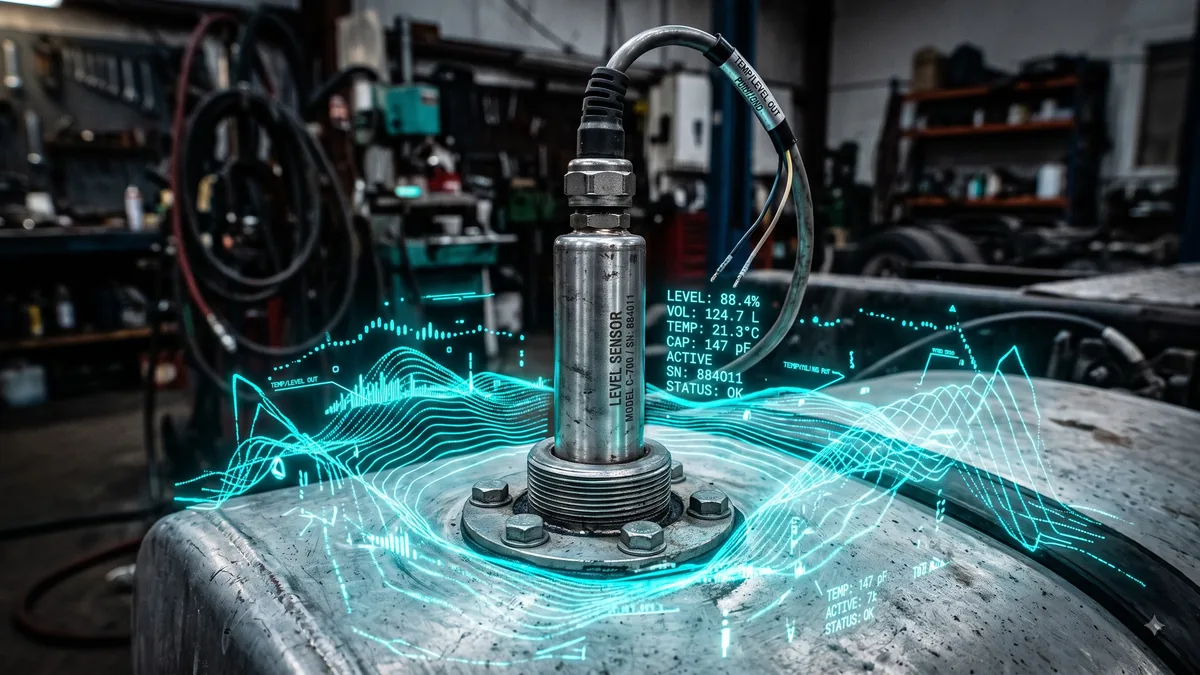
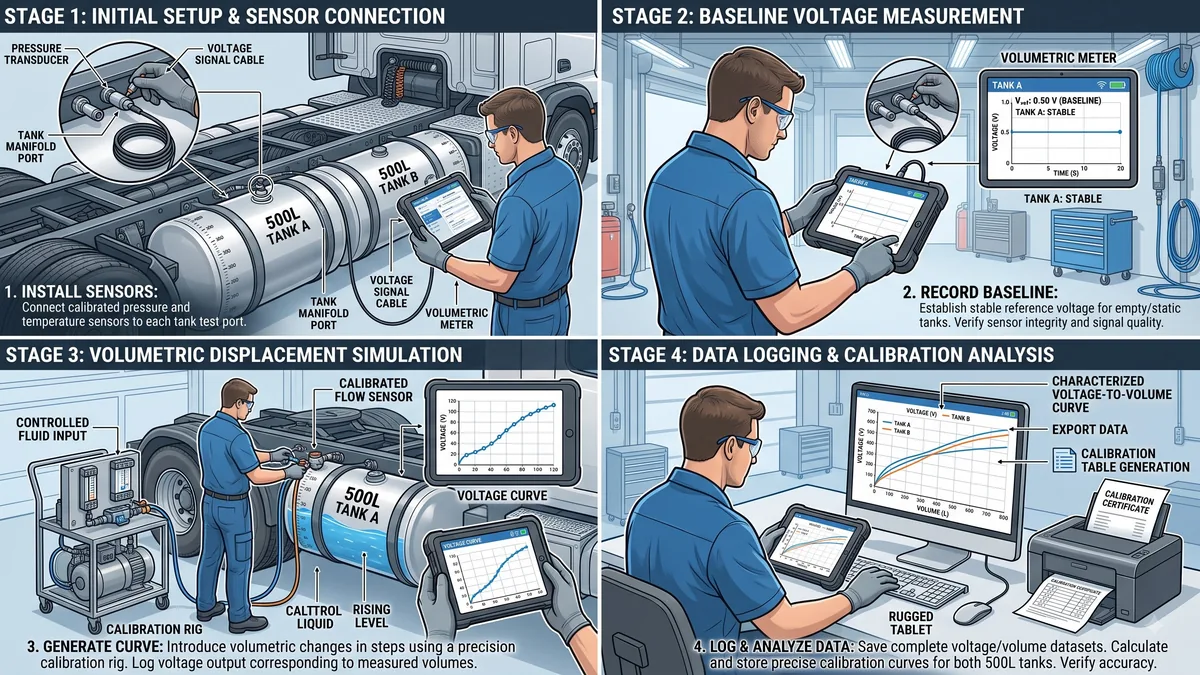
High-precision electronic level sensors installed in each tanker compartment monitor liquid level continuous height in real time.
- **In-Transit Drop Detection:** If liquid volume drops in any compartment while the tanker is in motion or parked on a highway shoulder, the system flags an immediate **Bulk Fuel Drop Event** pinned to exact GPS coordinates.
4. Automated Depot Weighbridge & Flow Meter Integration
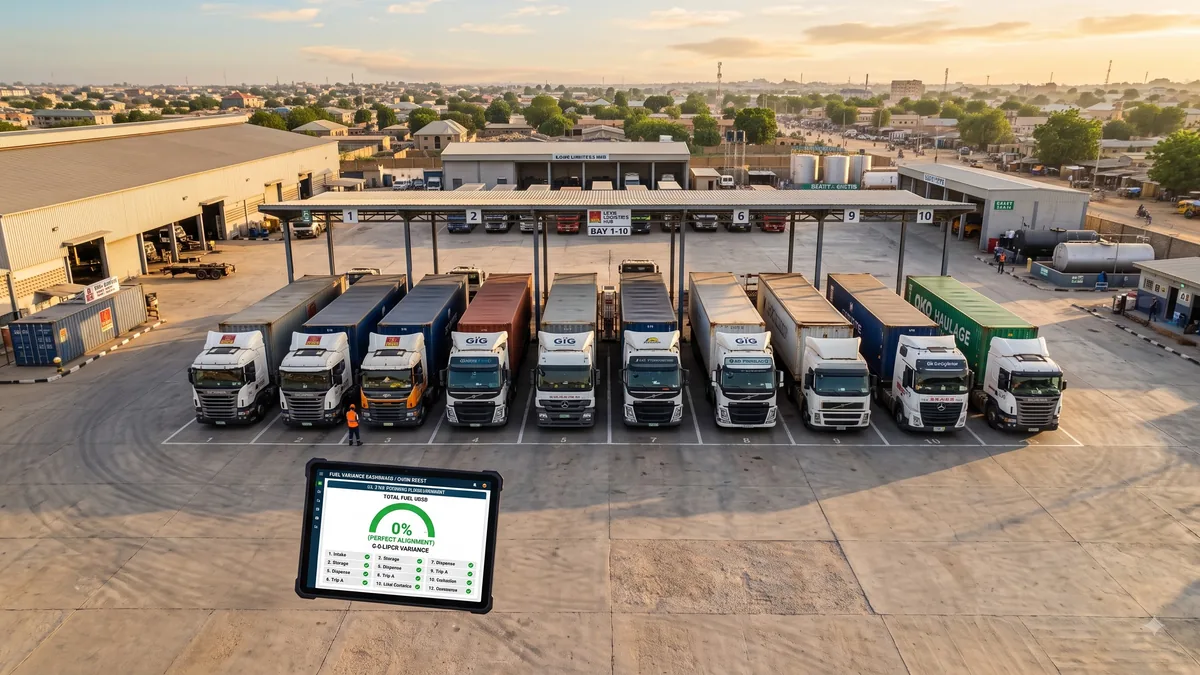
WizIOT platform software integrates directly with depot flow meters and weighbridges, cross-referencing initial refinery loading volumes against destination offload flow rates. Any discrepancy exceeding 0.1% generates an automated compliance exception report.
---
Real-World Impact: South African Bulk Fuel Fleet Case Study
A major South African bulk petroleum carrier operating 45 multi-compartment fuel tankers delivering diesel across Gauteng, Mpumalanga, and KZN implemented WizIOT electronic compartment locking telematics.
12-Month Performance Results: - **Bulk Fuel Loss Incidents:** Reduced from 38 major losses per year to 0 unhandled breaches - **Annual Financial Savings:** Saved R 4.2 Million in stolen fuel and insurance excess claims - **Customer Depot Audit Compliance:** Achieved 100% compliance rating with major oil company safety standards
---
Questions to Ask Bulk Tanker Telematics Vendors in South Africa
1. *Are your electronic compartment valve locks intrinsically safe (EX/ATEX certified) for flammable fuel environments?* 2. *Does your software restrict compartment valve unlocking strictly to authorized GPS destination geofencing?* 3. *Are top manhole hatches and bottom discharge valves monitored by real-time tamper contact sensors?* 4. *Can the platform send instant SMS alerts when unauthorized compartment openings occur on highway routes?* 5. *Do you provide certified field engineering teams in Johannesburg, Durban, and Cape Town?*
---
Secure Your Bulk Fuel Tankers Against Theft Today
Stop leaking millions to bulk fuel theft and compartment tampering along South African transit corridors. Deploy WizIOT's electronic compartment valve locks, hatch sensors, and geofenced discharge telematics.
Request Bulk Tanker Security Proposal
---
Frequently Asked Questions (FAQs)
**Q1: Are WizIOT electronic compartment locks safe to operate in explosive fuel environments?** Yes. All WizIOT bulk tanker hardware, sensors, and electronic locks carry ATEX Zone 0 / Zone 1 intrinsic safety certifications, ensuring zero spark risk in volatile petrol and diesel environments.
**Q2: What happens if cellular coverage drops at a rural fuel delivery depot?** WizIOT electronic locks feature offline authorized RFID validation; drivers can unlock valves at authorized depot geofences using encrypted RFID cards even if cellular signal is temporarily lost.
**Q3: Can dispatchers unlock compartment valves remotely from the control room?** Yes. Authorized dispatchers can issue an emergency remote unlock command directly from the WizIOT cloud platform or mobile application following multi-factor manager authentication.
**Q4: How does the system handle multi-stop deliveries where compartments are emptied at different depots?** WizIOT software supports multi-geofence delivery manifests, unlocking only the specific compartment designated for a particular delivery depot while keeping other compartment valves secured.
---
Related Articles
- Fuel Theft Monitoring: Real-Time Sensor Data That Caught 34 Drivers in 90 Days (SA Case Study)
- Stopping Night Fuel Siphoning Along the Central Corridor (Tanzania, Uganda & Rwanda)
- Eliminating Heavy Fuel Theft in Mining Transport Fleets Across Ghana & West Africa
- Fuel Sensor Installation Cost Kenya: Per-Truck Pricing Breakdown & ROI Calculator (2026)
---
Explore WizIOT Solutions
Target Telematics Hubs & Enterprise Solutions
Protect Your Commercial Fleet Today
Request a live hardware demonstration, ±0.2% capacitive probe calibration certificates, and real-time anti-theft gateway trials.