Stopping Night Fuel Siphoning Along the Central Corridor (Tanzania, Uganda & Rwanda)

Table of Contents
- The Geography of Fuel Theft on the Central Corridor
- 4 Technical Controls to Stop Central Corridor Fuel Theft
- Real-World Case Study: Central Corridor Freight Fleet
- Questions to Ask Telematics Vendors in East Africa
- Eliminate Fuel Theft Along Central Corridor Routes Today
- Related Articles
- Explore WizIOT Solutions
E-Mobility & EV Fleets Telematics
WizIOT EV-BMS Telematics Controller + CAN-bus J1939 / CANopen Sniffer
A long-haul logistics provider operating 70 articulated commercial trucks along East Africa's Central Transit Corridor—transporting containerized freight from Dar es Salaam Port through Morogoro, Dodoma, and Kahama into Kampala (Uganda) and Kigali (Rwanda)—faces severe fuel budget overruns. Monthly fuel expenditure exceeds projections by 24%, driven by persistent night-time diesel siphoning at unmonitored highway stops along the 1,400 km route.
The Central Corridor is one of East Africa's most vital trade arteries, carrying millions of tons of import/export cargo annually. However, multi-day transit times, long mountain climbs, and remote overnight parking stops create ideal conditions for driver fuel siphoning and black-market fuel trading.
If your haulage fleet operates cross-border routes across Tanzania, Uganda, Rwanda, or Burundi, relying on manual driver logbooks exposes your business to massive financial loss. This guide details how calibrated fuel probes and real-time siphoning telemetry eliminate fuel theft along Central Corridor freight lines.
---
The Geography of Fuel Theft on the Central Corridor
Understanding where and how fuel disappears along East African transit routes is essential for implementing targeted telematics defenses:
1. **Long-Haul Rest Stop Siphoning:** Drivers parking overnight at high-density rest stops (e.g., Chalinze, Kahama, and Nyakanazi in Tanzania) siphon 40 to 100 liters per night into 20-liter jerrycans sold to roadside fuel vendors. 2. **Gradient Consumption Disguises:** Drivers exploit steep elevation gains (such as the Kitonga hills or Rwandan mountain passes) to attribute massive fuel usage to "heavy engine load," masking siphoning events. 3. **Border Queue Drainage:** Multi-day customs delays at Rusumo (Tanzania/Rwanda) and Mutukula (Tanzania/Uganda) border posts provide extended unmonitored windows for driver fuel drains.
---
4 Technical Controls to Stop Central Corridor Fuel Theft
1. High-Precision Capacitive In-Tank Fuel Probes (±0.2% Accuracy)
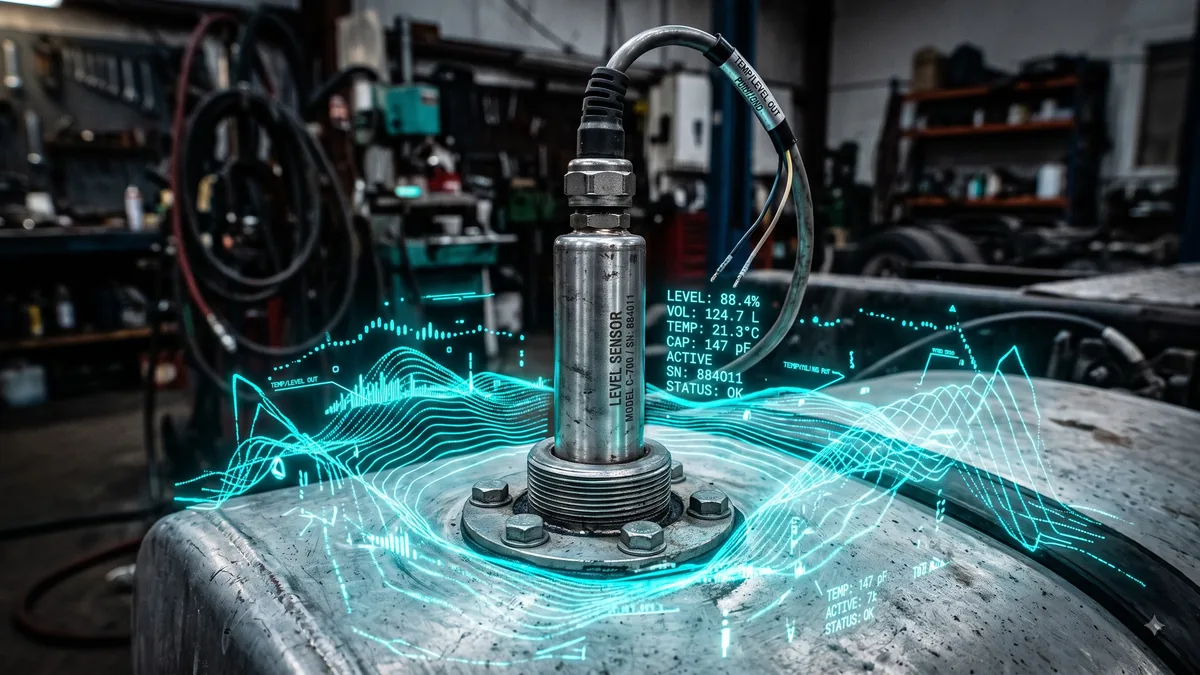
Standard mechanical float sensors fail to detect partial siphoning due to wide measurement dead-bands. WizIOT capacitive probes submerge directly into fuel tanks, continuously measuring fuel height with sub-liter resolution.
- **Dual-Tank Summation:** Heavy haulage trucks transiting the Central Corridor carry dual tanks (500L + 500L). WizIOT multi-tank algorithms mathematically sum volume across both tanks simultaneously, preventing false alarms caused by fuel transferring between tanks on mountain slopes.
- **Thermal Density Compensation:** Temperature sensors inside capacitive probes compensate for diesel volume expansion caused by coastal heat in Dar es Salaam (34°C) versus cold highveld nights in Kigali (14°C).
2. Ignition-Off Siphoning Detection & Real-Time Alerts
Over 85% of siphoning occurs while the truck engine is turned off overnight. WizIOT telematics units remain active in low-power sampling mode while parked.
If fuel volume drops by more than 3.5 liters without ignition activity, the unit transmits an immediate **Unauthorized Fuel Drain Alarm** via SMS and WhatsApp to control rooms in Dar es Salaam or Kampala within 15 seconds.
3. CAN-Bus ECU Fuel Consumption vs. Distance Audit
To stop drivers from blaming steep mountain climbs for missing fuel, WizIOT taps directly into the truck ECU (J1939 CAN-bus protocol).
The system tracks exact engine fuel burn per kilometer, comparing actual engine consumption against physical tank level drops. If a driver claims 400 liters burned on a flat stretch where engine ECU logs show only 280 liters consumed, an automated **Fuel Consumption Variance Exception** is flagged instantly.
4. Quad-SIM Cross-Border Telematics Redundancy
Cross-border transit between Tanzania, Uganda, and Rwanda exposes single-SIM trackers to coverage blackouts. WizIOT telematics units house 4 active SIM slots (Vodacom Tanzania, MTN Uganda, Airtel Rwanda, and eUICC Global SIM), maintaining continuous connection and instant alarm transmission across border posts.
---
Real-World Case Study: Central Corridor Freight Fleet
A Tanzanian transport company operating 70 articulated trucks hauling containerized cargo from Dar es Salaam Port to Kigali and Bujumbura deployed WizIOT fuel intelligence telematics.
Pre-Deployment Baseline: - Monthly Unexplained Fuel Variance: 23.5% - Monthly Financial Fuel Loss: $38,000 across fleet - Siphoning Hotspots: Unmonitored stops in Kahama and Benako
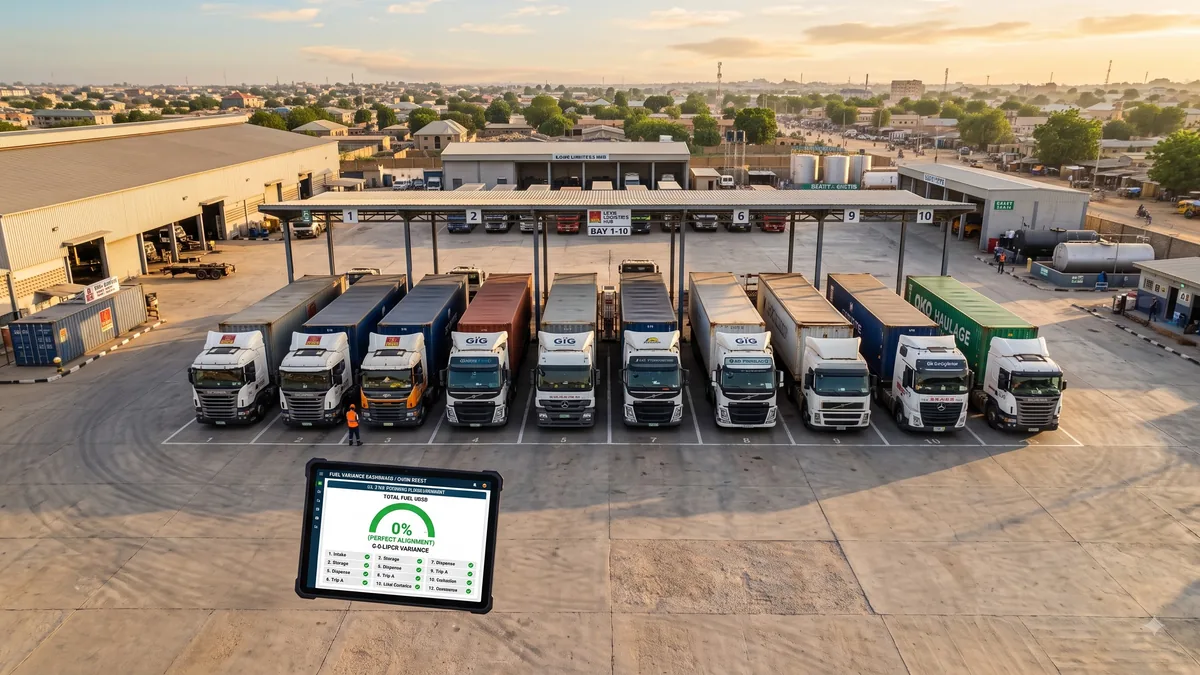
Post-Deployment (90 Days): - Monthly Fuel Variance: Reduced to 1.8% (92% reduction in fuel theft) - Siphoning Incident Detection: 22 driver siphoning events flagged and audited in Month 1 - Net Financial Savings: $35,000 saved per month (hardware investment recovered in 46 days)
---
Questions to Ask Telematics Vendors in East Africa
1. *Do your capacitive fuel probes provide documented ±0.2% measurement accuracy across dual tanks?* 2. *Does the telematics gateway feature quad-SIM auto-switching coverage across Tanzania, Uganda, and Rwanda?* 3. *How does your software compensate for diesel thermal expansion across coastal and high-altitude mountain routes?* 4. *Are wiring harnesses protected by flexible stainless steel anti-tamper conduits?* 5. *Do you provide localized field support and tank calibration teams in Dar es Salaam, Kampala, and Kigali?*
---
Eliminate Fuel Theft Along Central Corridor Routes Today
Stop leaking fuel revenue across East African transport corridors. Deploy WizIOT's calibrated fuel sensors, anti-siphoning alerts, and quad-SIM cross-border telematics.
Request East Africa Fleet Fuel Proposal
---
Frequently Asked Questions (FAQs)
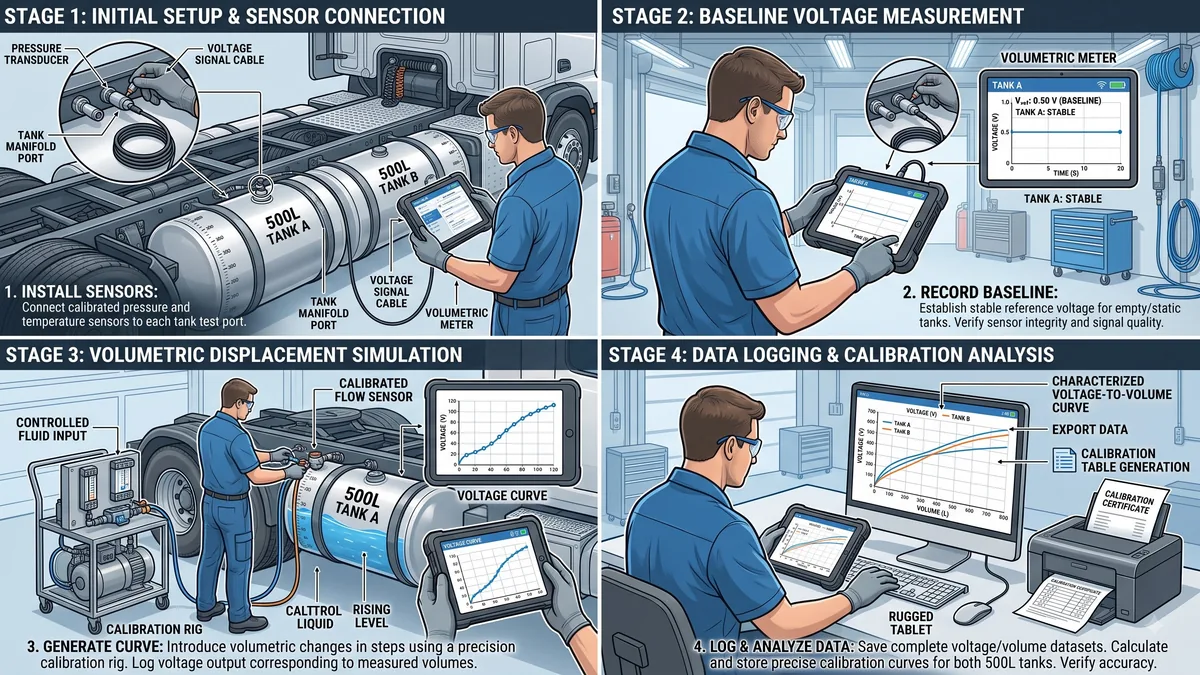
**Q1: How long does it take to calibrate fuel probes on a long-haul truck in Dar es Salaam?** Tank calibration takes approximately 90 minutes per truck. Certified WizIOT field engineers perform 10-point volumetric calibration at your depot in Dar es Salaam or Kampala without disrupting departure schedules.
**Q2: Can the fuel probe detect fuel siphoning while the vehicle is moving?** Yes. WizIOT software utilizes digital Kalman filtering algorithms that smooth out fuel sloshing spikes during motion, identifying sustained volume drops caused by auxiliary tank drains while driving.
**Q3: What happens if cellular coverage drops in remote sections of Western Tanzania?** WizIOT telematics units store up to 100,000 trip waypoints and fuel logs in onboard flash memory, uploading full location and fuel data automatically as soon as cellular signal is restored.
**Q4: Can we track fuel consumption metrics in multiple regional currencies (TZS, UGX, RWF)?** Yes. WizIOT fleet management software allows multi-currency expense tracking, automatically converting fuel purchase costs based on vehicle location and current exchange rates.
---
Related Articles
- Fuel Theft Monitoring: Real-Time Sensor Data That Caught 34 Drivers in 90 Days (SA Case Study)
- Fuel Sensor Installation Cost Kenya: Per-Truck Pricing Breakdown & ROI Calculator (2026)
- Nigerian Fleet Owner’s Guide: 12-Step Fuel Theft Prevention Framework That Saved ₦18M/Year
- Preventing Fuel Theft from Fuel Tanker Compartments During Transport in South Africa
---
Explore WizIOT Solutions
Target Telematics Hubs & Enterprise Solutions
Protect Your Commercial Fleet Today
Request a live hardware demonstration, ±0.2% capacitive probe calibration certificates, and real-time anti-theft gateway trials.